
Fragrances That Work in Coastal Weather

Santa Cruz's coastal weather creates unique fragrance performance conditions—marine layer mornings (50-60°F, 80-90% humidity), midday sun breaks (65-75°F, moderate dry), cool breezy afternoons (60-65°F), foggy evenings returning (55-60°F, humidity rising again). These constant temperature swings, persistent humidity, salt-tinged ocean air, and year-round moderate-cool temps mean fragrances perform DIFFERENTLY here than inland desert heat, humid tropics, or cold continental climates. What smells amazing in Phoenix's dry 95°F might become oppressive in SC's humid 70°F. Fragrances recommended for NYC winters might feel wrong in SC's 55°F "winter." Understanding how our specific coastal conditions affect fragrance chemistry, projection, longevity, and note development helps choose scents that actually thrive here rather than struggle against our unique microclimate. This isn't about avoiding certain fragrances entirely—it's about strategic selection: choosing compositions that work WITH coastal humidity (not fighting it), selecting appropriate concentrations for marine layer amplification, testing under actual SC conditions (not climate-controlled stores), building versatile wardrobes handling daily temperature transitions, and recognizing which notes harmonize with salt air versus conflicting strangely. Santa Cruz-appropriate fragrances embrace our cool-fresh-humid coastal character rather than imposing hot-weather freshness or cold-weather heaviness inappropriate for our perpetual mild middle-ground.
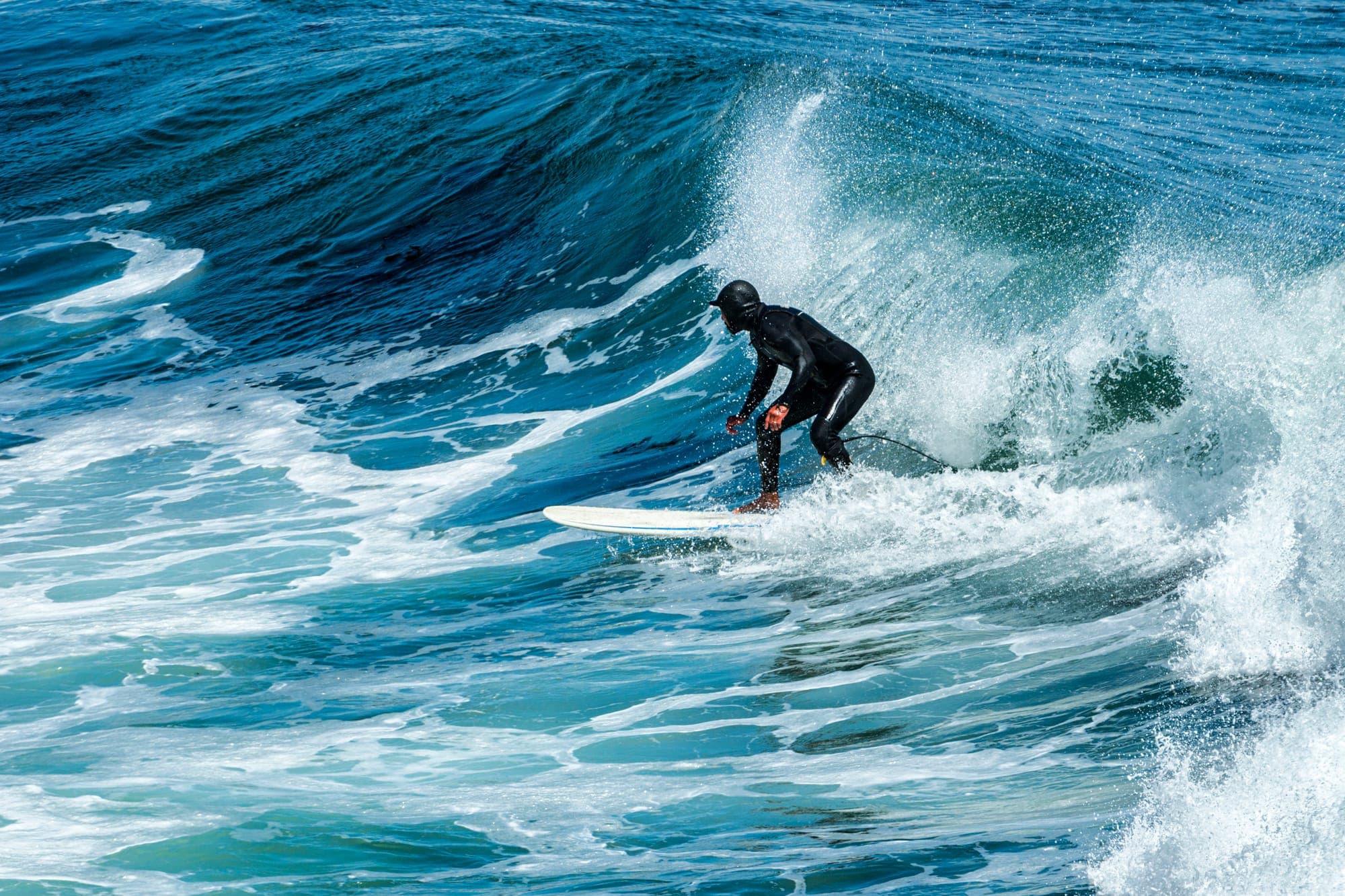
Fragrances That Work in Coastal Weather

How Santa Cruz Coastal Weather Specifically Affects Fragrance Performance

How Santa Cruz coastal weather affects fragrance performance
Coastal weather isn't monolithic—Santa Cruz's specific combination of cool temperatures, high humidity, marine layer fog, temperature transitions, and salt air creates unique fragrance performance characteristics distinct from other coastal or inland climates. SC COASTAL WEATHER CHARACTERISTICS: What makes us different: Persistent Marine Layer (Especially June-October): - Morning Condition: Dense fog, 50-60°F, 85-95% humidity, cool damp air - Fragrance Effect: Amplifies projection dramatically; fragrances smell MUCH louder than in dry air; molecules disperse readily in moisture - What This Means: Apply 30-50% less than you would in dry climates; start with 1-2 sprays instead of 3-4 Temperature Transitions (Daily Swings): - Morning: Cool foggy 55°F - Midday: Burns off to 70°F sunny - Afternoon: Cools to 65°F with breeze - Evening: Fog returns, 58°F - Fragrance Effect: Scent evolves differently across day as temperature changes; top notes evaporate faster in midday warmth, base notes amplify in evening humidity - What This Means: Need versatile fragrances that perform well across this 15-20°F range; avoid temperature-sensitive compositions Year-Round Moderate Cool (Rarely Hot or Cold): - Summer: 65-75°F typical (not truly "hot") - Winter: 50-60°F typical (not truly "cold") - Spring/Fall: 60-70°F typical - Fragrance Effect: "Summer" fragrances designed for 85°F+ feel too fresh-light here; "winter" fragrances designed for 30°F feel too heavy-warm here - What This Means: Need moderate balanced fragrances suitable for perpetual 55-75°F range; avoid seasonal extremes Salt Air Interaction: - Ocean Proximity: Constant salt-tinged air from waves and sea spray - Fragrance Effect: Salt can interact with certain synthetic notes creating metallic or "off" qualities; natural compositions generally harmonize better - What This Means: Test fragrances near ocean before committing; some synthetics that smell fine inland smell strange coastally Humidity Baseline (Even "Dry" Days Are Humid): - SC Humidity: Rarely below 60%, usually 70-85%, marine layer days 85-95% - Comparison: Desert (Phoenix, Vegas): 20-30%; Midwest (Chicago): 40-70% variable; Tropics (Florida, Hawaii): 75-95% with heat - Fragrance Effect: Even on "nice" days, humidity amplifies projection more than inland locations - What This Means: Coastal-appropriate fragrances must account for this baseline amplification HOW THESE CONDITIONS AFFECT SPECIFIC ASPECTS: PROJECTION AMPLIFICATION (Most Important Effect): The Science: Fragrance molecules disperse more readily in humid air. Water molecules in air create medium facilitating scent molecule movement. Result: same fragrance at same concentration projects 50-100% MORE in 80% humidity vs. 30% humidity. Practical Implications: - Moderate Projection Fragrances (Hermès Terre d'Hermès, Prada L'Homme) become strong projectors in SC conditions - Strong Projection Fragrances (many designer "beast modes") become overwhelming - Intimate Skin Scents (Glossier You, Molecule 01) remain appropriately intimate but project slightly more than inland Application Strategy: - Reduce sprays: 4 sprays inland = 2 sprays SC coastal - Choose placement: under clothing rather than exposed pulse points moderates projection - Test conservatively: start minimal, add more if needed (can't remove excess) LONGEVITY EFFECTS: Moisture Preservation: - Good News: Humidity prevents rapid evaporation; fragrances last longer in coastal moisture vs. dry air - Result: 6-hour fragrances inland might last 8-10 hours coastally Temperature Moderation: - Good News: Cool temps slow volatilization; fragrances don't "burn off" quickly like in heat - Result: Even lighter compositions maintain presence through cool coastal day FRAGRANCE DEVELOPMENT CHANGES: Top Notes: - Evaporate faster during sunny midday patches - Linger longer during marine layer coolness - Overall: top-heavy compositions (citrus-focused) can feel unbalanced as tops disappear quickly in temp swings Heart Notes: - Develop beautifully in moderate temps - Shine in coastal conditions without being overwhelmed Base Notes: - Amplify significantly in evening humidity - What's subtle at noon becomes prominent at 6pm when fog returns SWEET NOTE AMPLIFICATION: The Problem: Humidity amplifies sweetness perception. Vanilla, tonka, caramel, gourmand notes smell SWEETER in coastal moisture than in dry air. Implications: - Moderately sweet fragrances can become cloying coastally - Very sweet gourmands often feel oppressive - Dry, fresh, or balanced compositions perform better SALT AIR INTERACTIONS: Harmonious Notes: - Marine/aquatic accords: Feel natural, complementary - Mineral notes: Blend beautifully with salt air - Fresh woods: Enhance coastal atmosphere - Clean musks: Work seamlessly Problematic Notes: - Certain synthetics can smell metallic or "off" mixing with salt air - Very artificial compositions sometimes clash with natural ocean environment - Heavy sweet orientals can feel incongruous with fresh ocean air COMPARATIVE PERFORMANCE: SC vs. Other Climates: SC Coastal vs. Desert (Phoenix, Vegas, Inland California): - Desert: Low humidity (20-30%), high heat (85-110°F), rapid evaporation - SC: High humidity (70-90%), moderate cool (55-75°F), slow evaporation, amplified projection - Fragrance Differences: Desert suits strong projection fragrances (they stay moderate in dry heat); SC requires moderate projection (amplified by humidity) SC Coastal vs. Hot Humid (Florida, Houston, Tropics): - Hot Humid: High humidity (75-95%) + high heat (80-95°F) = overwhelming amplification + rapid volatilization - SC: High humidity (70-90%) + moderate cool (55-75°F) = amplification WITHOUT oppressive heat - Fragrance Differences: Hot humid requires ultra-light fresh aquatics; SC tolerates moderate woody-fresh sophistication SC Coastal vs. Continental (Chicago, NYC, Inland Northeast): - Continental: Variable humidity (30-70%), extreme seasonal temps (20°F winter, 85°F summer), dramatic shifts - SC: Consistent humidity (70-90%), mild year-round (50-75°F), gentle shifts - Fragrance Differences: Continental requires seasonal wardrobe rotation; SC allows year-round versatile moderate options SC Coastal vs. Pacific Northwest (Seattle, Portland): - PNW: Similar cool-humid but slightly cooler (45-70°F), more rain, less sun - SC: Comparable humidity but slightly warmer (55-75°F), more sunny breaks, marine layer vs. rain - Fragrance Differences: Most similar comparison; fragrances working in PNW typically work in SC and vice versa OPTIMAL SC COASTAL FRAGRANCE PROFILE: Based on our specific conditions, ideal fragrances feature: - Moderate Projection: Will amplify to appropriate levels (avoid beast modes) - Fresh-Woody Balance: Works in cool temps, not fighting humidity - Dry-to-Balanced Sweetness: Subtle sweetness okay, heavy gourmands problematic - Natural-Leaning Compositions: Harmonize with ocean air better than very synthetic - Temperature Versatility: Perform well 55-75°F range (most fragrances' optimal zone) - Marine/Mineral/Green Elements: Feel contextually appropriate - Quality Longevity: Last through cool temps and humidity without fading OR overwhelming Examples Thriving in SC Coastal Conditions: - Hermès Terre d'Hermès: Moderate-fresh-woody-mineral, perfect projection amplification, works year-round - Tom Ford Grey Vetiver: Fresh-earthy-sophisticated, humidity enhances earthiness without overwhelming - Acqua di Parma Colonia: Classic fresh-aromatic, marine layer amplifies beautifully - Diptyque Philosykos: Fig-fresh-woody, coastal temps perfect range - Prada L'Homme: Clean-iris-fresh, moderate projection becomes perfect coastally

Notes and Compositions Thriving in Coastal Conditions

Fragrance notes and compositions thriving in coastal weather
Certain fragrance notes and compositional styles harmonize naturally with Santa Cruz's coastal weather—working WITH humidity, coolness, and salt air rather than against them. Understanding these helps curate coastal-appropriate collection. NOTES THAT EXCEL COASTALLY: MARINE/AQUATIC ACCORDS (Obvious but True): - Character: Salty-ozonic-fresh-watery ocean evocation - Why They Work: Literal thematic match with environment; humidity amplifies without overwhelming; feel natural rather than redundant - Examples: Acqua di Gio, Issey Miyake L'Eau d'Issey, Heeley Sel Marin, various marine-focused compositions - Application: Complement ocean air rather than competing; avoid extremely strong aquatics (become too much when amplified) MINERAL/SALT NOTES (Sophisticated Coastal): - Character: Clean stone, wet rock, mineral freshness, subtle saltiness - Why They Work: Evoke coastal cliffs and tide pools; harmonize with salt air naturally - Examples: Hermès Terre d'Hermès (flint/mineral), various niche mineral compositions - Application: Sophisticated alternative to obvious marine accords FRESH WOODS (Cedar, Cypress, Light Sandalwood): - Character: Fresh-bright woody notes without heaviness - Why They Work: Cool temps prevent them becoming heavy; humidity enhances wood character without cloying; feel natural in coastal forest environment - Examples: Tom Ford Grey Vetiver, Diptyque Tam Dao (cypress-sandalwood), Hermès Terre d'Hermès (woody-fresh balance) - Application: Choose lighter woods (cedar, cypress) over heavy (oud, dense sandalwood) VETIVER (Earthy-Fresh-Green): - Character: Earthy grassy roots, fresh-green-woody complexity - Why They Work: Earthiness thrives in humidity; freshness matches coastal air; versatile across temp swings - Examples: Tom Ford Grey Vetiver, Guerlain Vetiver, Hermès Vetiver Tonka - Application: Humidity amplifies earthy character beautifully; one of best coastal note categories CITRUS (When Balanced): - Character: Fresh bright bergamot, lemon, grapefruit, orange - Why They Work: Cool temps prevent them evaporating too quickly; freshness matches coastal energy; cutting brightness works in humidity - Caution: Pure citrus can fade fast in temp swings; works best with grounding (woody-citrus, amber-citrus) - Examples: Hermès Eau d'Orange Verte, Terre d'Hermès (citrus-mineral-woody), Acqua di Parma Colonia (citrus-aromatic) - Application: Choose citrus-woody or citrus-aromatic over pure citrus-soliflores GREEN NOTES (Fresh Vegetation): - Character: Cut grass, leaves, chlorophyll freshness, vegetal green - Why They Work: Coastal humidity enhances green freshness; feels natural with marine layer moisture - Examples: Hermès Un Jardin series (green-fresh focus), various green chypres - Application: Beautiful in marine layer mornings CLEAN MUSKS (Soft, Modern, Soapy-Clean): - Character: Soft skin-like warmth, clean laundry freshness, subtle musk - Why They Work: Close-wearing intimacy appropriate for consideration culture; freshness matches coast; humidity amplifies appropriately without overwhelming - Examples: Glossier You, Le Labo Another 13, Molecule 01, Narciso Rodriguez For Her - Application: Perfect for SC scent-sensitive culture; work year-round IRIS (Powdery-Fresh-Elegant): - Character: Powdery-clean-fresh-sophisticated floral - Why They Work: Cool temps showcase iris beautifully (heat can make it disappear); elegance appropriate for sophisticated SC aesthetic - Examples: Prada L'Homme, Dior Homme line, various iris-focused niche - Application: Sophisticated coastal alternative to obvious fresh-aquatics LIGHT AROMATICS (Lavender, Rosemary, Herbs): - Character: Fresh Mediterranean herbs, aromatic freshness - Why They Work: Freshness thrives in cool-humid; herbal character feels natural and clean - Examples: Acqua di Parma Colonia, various aromatic-fresh colognes - Application: Classic sophisticated approach to coastal freshness NOTES TO AVOID OR USE CONSERVATIVELY: HEAVY SWEET ORIENTALS (Vanilla-Heavy, Thick Amber, Dense Resins): - Problem: Humidity amplifies sweetness dramatically; becomes cloying and suffocating; heat from body + moisture = overwhelming - When They Work: Only in coolest conditions (January evenings), applied ultra-sparingly, or avoided entirely - Examples to Avoid: Heavy gourmands (Prada Candy, Angel), thick orientals (Opium, Shalimar EdP), dense amber bombs VERY STRONG PROJECTION FRAGRANCES ("Beast Mode" Designers): - Problem: Already loud; humidity amplifies to oppressive levels; inappropriate for SC scent-conscious culture - When They Work: Rarely; maybe single spray under clothing on coolest driest days - Examples to Avoid: Dior Sauvage (EdP/Elixir), Bleu de Chanel (EdP/Parfum), Aventus (applied heavily), most "compliment-getter" loud designers EXTREMELY SYNTHETIC COMPOSITIONS: - Problem: Can smell metallic or "off" mixing with salt air; feel incongruous with natural ocean environment - When They Work: Quality synthetics fine; cheap synthetic bombs problematic - Examples to Avoid: Very cheap celebrity fragrances, chemical-smelling compositions, anything described as "synthetic beast mode" VERY HEAVY OUDS: - Problem: Density + humidity = overwhelming; heat from body amplifies; often inappropriate for casual SC lifestyle - When They Work: Ultra-minimal application, special occasions only, evening wearing - Examples to Manage Carefully: Tom Ford Oud Wood (moderate, can work), Montale ouds (often too heavy), extremely animalic ouds THICK GOURMANDS (Caramel, Praline, Cotton Candy, Dessert-Heavy): - Problem: Sweetness amplified unbearably in humidity; can cause headaches; feels wrong with fresh ocean air - When They Work: Rarely in SC; maybe cool dry days applied minimally - Examples to Avoid: Pure gourmands (cupcake scents, candy fragrances), extremely sweet vanillas COMPOSITIONAL STYLES WORKING COASTALLY: Fresh-Woody (Best Overall Category): Bright opening, woody-fresh development, moderate projection. Examples: Terre d'Hermès, Tom Ford Grey Vetiver, Bleu de Chanel (EdT, applied conservatively). Aromatic-Fresh (Classic Sophisticated): Citrus-aromatic-woody structure. Classic cologne style. Examples: Acqua di Parma Colonia, Dior Eau Sauvage, Hermès Eau d'Orange Verte. Woody-Aquatic (Modern Coastal): Marine elements with woody grounding. Examples: Issey Miyake L'Eau d'Issey Pour Homme, various woody-aquatic designers. Green-Fresh (Natural Sophisticated): Green notes with fresh-woody base. Examples: Hermès Un Jardin series, green chypres (vintage Eau Sauvage). Clean-Musk Minimalist (Understated Elegant): Simple musk-forward compositions. Examples: Glossier You, Molecule 01, Le Labo Another 13, Narciso Rodriguez line. Iris-Woody (Sophisticated Masculine-Leaning): Iris with woody-fresh support. Examples: Prada L'Homme, Dior Homme, various iris-focused niche. Mediterranean-Aromatic (Classic Refined): Herbs, citrus, light woods. Examples: Most Acqua di Parma line, Mediterranean-inspired colognes. SEASONAL ADJUSTMENTS WITHIN COASTAL CONTEXT: SC "Summer" (June-October, 65-75°F, Heavy Marine Layer): - Prioritize: Fresh-aquatics, green-fresh, aromatic-citrus, clean musks - Avoid: Anything warm or sweet - Application: Minimal (1-2 sprays max) SC "Winter" (December-February, 50-60°F, Rain/Cool): - Prioritize: Fresh-woody, earthy-green (vetiver), moderate woody-amber - Allow: Slightly warmer compositions (iris-amber, woody-vanilla if subtle) - Application: Moderate (2-3 sprays okay) SC "Shoulder Seasons" (March-May, September-November, 60-70°F, Variable): - Most Versatile: Balanced fresh-woody compositions shine - Strategy: Build around these as year-round signatures - Examples: Terre d'Hermès, Grey Vetiver, Prada L'Homme PRACTICAL COASTAL SELECTION STRATEGY: Build coastal-appropriate wardrobe around: 1. Versatile Fresh-Woody (daily signature): Terre d'Hermès, Grey Vetiver type 2. Clean Summer Option (marine layer days): Acqua di Parma Colonia, fresh-aquatic type 3. Slightly Warmer Sophistication (cool evenings, winter): Prada L'Homme, Dior Homme type 4. Optional Minimal Skin Scent (scent-sensitive situations): Glossier You, Molecule 01 type This 3-4 fragrance wardrobe covers all SC coastal conditions without struggling against our climate.

Testing Strategy: Why Real Santa Cruz Conditions Matter

Why testing in real Santa Cruz conditions matters for fragrance selection
Fragrance testing in climate-controlled stores or based on other regions' reviews doesn't reveal how scents actually perform in Santa Cruz's specific coastal conditions. Real-world SC testing is essential for confident selection. WHY STORE/ONLINE TESTING FAILS FOR COASTAL SELECTION: Climate-Controlled Stores (Nordstrom, Sephora, Department Stores): - Conditions: 68-72°F constant, 40-50% humidity controlled, no air movement, fluorescent lighting - Problem: Doesn't remotely resemble SC coastal conditions (55-75°F variable, 70-90% humidity, ocean breeze, natural light transitions) - Result: Fragrance smelling perfect in store might perform completely differently in actual marine layer Online Reviews from Other Climates: - Phoenix/Vegas Reviews: "Perfect for hot weather!" = Designed for 95°F dry heat, might feel wrong in 70°F humid SC - Florida/Houston Reviews: "Too strong in humidity!" = Maybe, but SC cool-humid different than hot-humid - NYC Reviews: "Great winter warmth!" = Designed for 30°F, might overwhelm SC's 55°F "winter" - London Reviews: Closest comparison (cool-humid maritime) but still different microclimate Paper Strip Testing: - Problem: Shows fragrance composition, not YOUR chemistry in YOUR environment - Missing: How it develops on your skin, how SC humidity affects it, how temperature swings change it Single-Day Testing: - Problem: Doesn't reveal performance across different SC weather patterns - Missing: How it works marine layer mornings vs. sunny afternoons vs. foggy evenings vs. rare hot days THE SC-SPECIFIC TESTING PROTOCOL: Phase 1: Initial Decant Acquisition (Before ANY Commitment): Order 2-5ml decants of finalists (via consultation or research). Costs $10-20 per decant vs. $150-300 per bottle = massive savings if fragrance doesn't work. Phase 2: Marine Layer Morning Test: - Conditions: Cool foggy 55-60°F, 85-95% humidity, damp air - Application: Apply normally (2-3 sprays) at 7-8am - Monitor: Does it project too loudly in moisture? Become overwhelming? Or perform beautifully? - Key Questions: Can you wear this to morning coffee shop? UCSC campus? Work? Or is it too much? Phase 3: Temperature Transition Test: - Same Day as Phase 2: Continue wearing through midday sun break - Conditions: 70-75°F, lower humidity (60-70%), brighter warmer - Monitor: How did it change? Top notes evaporate? Base notes emerge? Still pleasant or turned? - Key Questions: Does it adapt gracefully or become unbalanced? Phase 4: Cool Evening Test (Different Day): - Conditions: 58-62°F, fog returning, 80-90% humidity - Application: Apply fresh at 5-6pm - Monitor: Evening projection (often amplified as humidity returns) - Key Questions: Perfect for evening? Too strong? Comfortable? Phase 5: Sunny Warm Day Test (Rare but Important): - Conditions: SC hot day (78-82°F, yes they happen), lower humidity - Application: Conservative (1-2 sprays) - Monitor: Does "moderate" fragrance become beast mode in warmer temps? Sweet notes become cloying? - Key Questions: Can you wear year-round or only cool days? Phase 6: Activity Test: - Beach Walk: How does it interact with salt air? Feel harmonious or weird? - Forest Hike: Does it complement or compete with redwood atmosphere? - Indoor All-Day: Work/study wearing—does it last? Remain pleasant? Cause headaches? Phase 7: Multi-Day Extended Wearing (5-7 Days): - Requirement: Wear consistently across various SC conditions - Monitor: - Do you remain interested or tire of it? - Any situations where it feels wrong? - Chemistry interaction consistent or variable? - Others' reactions (if relevant)? - Does it integrate naturally into SC life? AFTER TESTING PROTOCOL: Decision Matrix: - Passed ALL Tests: Consider full bottle purchase—high confidence it works in SC - Passed MOST Tests: Identify specific conditions where it struggles; decide if those limitations acceptable - Failed MULTIPLE Tests: Don't buy full bottle regardless of hype/reviews; doesn't work for SC climate - Uncertain: Extend testing another week or try similar alternatives TESTING MULTIPLE CANDIDATES: Sequential vs. Parallel: - Sequential (Recommended): Test one fragrance per week thoroughly across conditions - Parallel (Possible): Test 2-3 on different body areas (different arms, chest), but can create confusion Comparison Testing: After testing 3-4 candidates individually, do direct comparison day: Apply candidate A one day, candidate B next day, same conditions. Which performed better? Felt more comfortable? Integrated more naturally? THE DECANT INVESTMENT VALUE: Cost Analysis: - Without Testing: Buy $200 bottle blind → doesn't work in SC conditions → $200 wasted + unworn bottle - With Decant Testing: Spend $15 decant → discover it doesn't work → save $185 + avoid mistake - ROI: If testing prevents even ONE bad bottle purchase, decant strategy pays for itself 10x over Even If All Decants Work: Learning HOW they work (which conditions optimal, how much to apply, what contexts suit them) through testing makes full bottles more useful. Not just "do I like it?" but "how do I wear it successfully in SC?" CONSULTATION + TESTING COMBINATION: Optimal Strategy: 1. Consultation Session: Narrow from hundreds of fragrances to 3-5 serious candidates through guided exploration 2. Decant Testing: Take finalists home, test 5-7 days each in real SC conditions 3. Follow-Up (Optional): Return to discuss results, make final decision, purchase full bottle with confidence This combination provides expert curation (efficiency) + real-world validation (confidence) = highest success rate. SC-SPECIFIC TESTING ADVANTAGES: Unique Microclimate Understanding: Only testing HERE reveals how fragrances perform in OUR specific conditions. Can't extrapolate from Phoenix, Florida, or even San Francisco—SC coastal conditions are distinct. Personal Chemistry in Local Environment: Your body chemistry + SC climate = unique combination. Testing reveals YOUR specific performance, not theoretical performance or others' experiences. Lifestyle Integration: Testing through actual SC activities (coffee shops, UCSC campus, beach walks, downtown, coworking spaces, local restaurants) reveals practical suitability beyond just "does it smell good?" Seasonal Validation: Testing across SC seasons (yes, we have them, just mild) confirms year-round wearability or identifies seasonal limitations. Confidence Building: After thorough testing, full bottle purchase feels confident rather than risky. You KNOW it works rather than hoping based on store strip or online review.

Seasonal Micro-Adjustments: Optimizing for SC's Subtle Seasonal Shifts
Optimizing fragrance selection for Santa Cruz's subtle seasonal patterns
While Santa Cruz doesn't experience dramatic seasonal temperature extremes, we DO have distinct seasonal patterns affecting fragrance performance. Understanding these subtle shifts allows strategic fragrance selection optimizing for specific SC seasons. SANTA CRUZ SEASONAL REALITY (Not Typical "Seasons"): Most fragrance advice assumes continental seasons: hot summer (85-95°F), cold winter (20-40°F), transitional spring/fall. Santa Cruz's Mediterranean coastal climate creates completely different seasonal reality requiring adapted strategies. SC SPRING (March-May) - "Variable Transition": Weather Characteristics: - Temperature: 55-70°F (cool-to-moderate) - Humidity: 60-80% (moderate-to-high) - Patterns: Sunny days interspersed with rainy periods - Marine layer: Present but less persistent than summer - Character: Fresh green growth, wildflowers, occasional warm spells Fragrance Performance: - Variable conditions require versatile options - Can handle slightly warmer compositions than summer (marine layer less intense) - Fresh-green fragrances feel contextually perfect (matching new growth) - Aquatics appropriate but not required like summer Optimal Spring Fragrances: Green-Fresh (Contextual Perfect): - Hermès Un Jardin sur le Toit: Green-fresh-herbal matching new spring growth - Diptyque Philosykos: Fig green-woody evoking spring vegetation - Tom Ford Grey Vetiver: Earthy-green-fresh sophisticated for variable weather Fresh-Woody Versatility (Temperature Swings): - Hermès Terre d'Hermès: Works cool mornings and warmer afternoons equally - Prada L'Homme: Fresh-woody-iris elegance for spring social season - Bleu de Chanel EdT: Fresh-aromatic-woody balance (applied conservatively) Light Florals (If Floral-Inclined): - Spring is SC's best floral season—moderate temps prevent florals turning heavy - Hermès Un Jardin series: Fresh-floral-green appropriate - Avoid: Heavy white florals (too much even in spring humidity) Application Strategy: - Start moderate (2-3 sprays) - Monitor as days vary between cool-rainy and warm-sunny - Have backup lighter option for unexpectedly warm days SC SUMMER (June-October) - "Peak Marine Layer Season": Weather Characteristics: - Temperature: 60-75°F (moderate-cool, rarely "hot") - Humidity: 75-95% (very high, especially mornings) - Patterns: Dense morning fog, afternoon sun breaks, evening fog return - Marine layer: Most persistent, June-July especially thick - Character: Classic SC "gloomy June," sunny August-September, October transition Fragrance Performance Challenges: - Maximum projection amplification: Humidity at annual peak - Sweet notes become unbearable (moisture amplifies sweetness dramatically) - Heavy compositions feel oppressive even at only 70°F - Requires LIGHTEST, FRESHEST, most MODERATE-projection options Summer-Appropriate Strategies: Embrace Aquatic-Marine (Thematically Perfect): - Acqua di Parma Colonia: Classic fresh-citrus-aromatic thrives in cool-humid - Hermès Eau de Merveilles: Mineral-woody-fresh-aquatic marine layer champion - Issey Miyake L'Eau d'Issey: Clean-aquatic-woody summer staple - Various marine-focused compositions: Feel natural, not overwhelming Fresh-Citrus (Bright Appropriate): - Hermès Eau d'Orange Verte: Bitter orange-fresh-green perfect summer - Acqua di Parma Bergamotto: Bright sophisticated citrus for marine layer - Avoid: Pure citrus without woody base (disappears too quickly) Clean Minimalist (Intimate Summer): - Glossier You: Soft musk perfect for scent-conscious summer - Molecule 01: Woody-fresh abstract, never overwhelming - Le Labo Another 13: Minimal musk-ambrox appropriate warm days What to Absolutely Avoid Summer: - Gourmands (any sweetness becomes cloying) - Warm orientals (inappropriate for cool-humid) - Heavy projection fragrances (amplified unbearably) - Anything marketed for "hot weather" (designed for 90°F+, overkill here) Application Strategy: - Minimal: 1-2 sprays maximum, maybe even single spray - Protected areas: Chest under shirt, not exposed neck/wrists - Test conservatively: Summer mistakes = suffering all day in amplified sweetness SC "FALL" (November) - "Brief Transition": Weather Characteristics: - Temperature: 55-68°F (cooling down) - Humidity: 70-85% (high but less than summer peak) - Patterns: More stable than spring, occasional Indian summer warm spells - Marine layer: Reducing frequency - Character: Brief season before winter rains Fragrance Approach: - Similar to spring versatility - Can introduce slightly warmer options testing for winter - Fresh-woody sweet spot - Still avoid heavy sweet (humidity remains) SC WINTER (December-February) - "Cool Rainy Season": Weather Characteristics: - Temperature: 50-62°F (cool but mild) - Humidity: 70-90% (rain increases humidity) - Patterns: Rainy periods, occasional clear sunny days, cool consistent temps - Marine layer: Less prominent than summer, replaced by rain-clouds - Character: SC's "cold" season (50s = our winter!) Fragrance Opportunities: RELATIVE Freedom: Winter is SC's most forgiving fragrance season—coolest temps + rain instead of marine layer creates conditions where more compositions work without overwhelming. Slightly Warmer Options Viable (Finally): Woody-Amber Sophistication: - Prada L'Homme: Iris-tonka-amber warmth perfect cool SC days - Dior Homme Intense: Iris-cacao-tonka elegant winter warmth - Hermès Ambre Narguile: Sophisticated tobacco-amber-vanilla (applied conservatively—still humid!) Earthy-Green Depth: - Hermès Terre d'Hermès: Shines in cool rain - Encre Noire: Vetiver-cypress darkness for moody winter - Various vetiver compositions: Earthy sophistication matches winter mood Moderate Orientals (Not Heavy): - Can introduce subtle warm-spicy compositions - Still avoid thick sweet gourmands (humidity persists even winter) - Balanced oriental-woods work (pure heavy orientals still problematic) What Still Doesn't Work Winter: - Very heavy sweet gourmands (humidity year-round issue) - Thick dense oud compositions (too much even winter) - Anything requiring true cold (30°F) to feel appropriate Application Strategy: - Can increase to 2-3 sprays (coolest temps + lowest marine layer) - Test warmer options on coldest driest winter days (January afternoons) - Remember: SC winter = 50-60°F, not 30°F—moderation still key YEAR-ROUND SC STRATEGY (Beating Seasonal Complexity): Option A: Seasonal Micro-Rotation (4 Fragrances): - Spring: Green-fresh-woody (Philosykos, Grey Vetiver) - Summer: Fresh-aquatic-minimal (Colonia, Molecule 01, Eau de Merveilles) - Fall: Fresh-woody versatile (Terre d'Hermès) - Winter: Woody-amber warmth (Prada L'Homme, Dior Homme Intense) Option B: Year-Round Versatile (1-2 Fragrances): - Primary: Hermès Terre d'Hermès (literally works every SC day, all seasons) - Backup: Prada L'Homme (leans slightly cooler-season but viable year-round) - Simplicity over complexity—these work always Option C: Dual Approach (2-3 Fragrances): - Warm Half (June-October): Fresh-aquatic focus (Colonia, Eau de Merveilles) - Cool Half (November-May): Woody-sophistication (Terre d'Hermès, Grey Vetiver) - Optional All-Season: Minimal skin scent (Glossier You) COMPARATIVE SEASONAL ADVANTAGE: SC vs. Continental Climates: - Continental: Requires completely different summer/winter fragrances (95°F vs. 20°F = massive gap) - SC: Mild range (50-75°F) allows year-round versatile options or minimal seasonal adjustments - Advantage: Can build smaller focused wardrobe vs. extensive seasonal collections Budget Implications: - Continental: Need 6-10 fragrances covering extreme seasons - SC: Can thrive with 2-4 versatile moderate options - Savings: Hundreds vs. thousands on fragrance wardrobe Complexity Reduction: - Continental: Constantly rotating seasonal appropriate fragrances - SC: One signature year-round perfectly viable - Simplicity: Less decision fatigue, more wearing confidence Santa Cruz's mild seasonal subtlety is ADVANTAGE not limitation—embrace moderate versatile sophistication year-round rather than chasing seasonal extremes.

Common SC Coastal Fragrance Mistakes and How to Avoid Them

Common fragrance mistakes in coastal climate and how to avoid them
Living in Santa Cruz's unique coastal microclimate, people consistently make predictable fragrance mistakes—overapplying due to humidity-amplification unawareness, choosing fragrances designed for different climates, testing inadequately, and more. Learning from these common errors prevents expensive mistakes and fragrance-wearing misery. MISTAKE #1: APPLYING "NORMAL" AMOUNTS IN SC HUMIDITY The Error: Wearing 4-5 sprays like you would in dry climate, not accounting for SC's 70-90% humidity amplifying projection 50-100%. Why It Happens: - YouTube fragrance reviewers (mostly in NY, LA, UK) recommend 4-6 sprays - Friends in drier climates wear heavily - Store salespeople suggest liberal application - Previous experience in non-humid locations The Result: - Overwhelming projection (noticed from 15+ feet) - Headaches (yourself and others) - Negative reactions from scent-sensitive SC community - Wasting expensive fragrance - Creating unconscious association "I hate this fragrance" (no—you hate overapplication) The Fix: - Start Rule: 1-2 sprays MAXIMUM in SC conditions - Test Window: Wait 30 minutes, assess projection in real-world context (walk to coffee shop, gauge others' reactions) - Add Gradually: If truly inadequate (rare), add single spray next wearing - Protected Placement: Spray under clothing (chest under shirt) rather than exposed pulse points = moderates initial burst - Foggy Day Extra Caution: Marine layer mornings (85-95% humidity) require MINIMUM application (1 spray might suffice) SC-Specific Application Guidelines: - Fresh-woody moderate fragrances (Terre d'Hermès, Grey Vetiver): 2 sprays typical SC conditions, 1 spray marine layer - Strong projection fragrances (designer beast modes): 1 spray maximum, consider avoiding entirely - Intimate skin scents (Glossier You, Molecule 01): 2-3 sprays okay (designed minimal) - Sweet gourmands: If wearing at all, 1 spray only (sweetness amplifies dramatically) MISTAKE #2: BUYING FRAGRANCES DESIGNED FOR DIFFERENT CLIMATES The Error: Purchasing based on reviews from hot-dry (Phoenix, Vegas) or hot-humid (Florida, Houston) climates without recognizing SC's cool-humid distinctiveness. Why It Happens: - Online reviews dominate purchasing decisions - "Summer fragrance" recommendations assume 85-95°F, not SC's 65-75°F - "Winter fragrance" recommendations assume 30°F, not SC's 50-60°F - Fragrance marketing uses generic seasonal categories The Result: - Hot-Weather Fragrances: Ultra-light aquatics designed for 100°F feel insubstantial in SC's 70°F - Winter Warmers: Heavy sweet orientals designed for 30°F snow feel oppressive in SC's 55°F "winter" - Bottles sitting unused because they don't match actual SC conditions - Frustration: "This was so hyped but doesn't work for me" The Fix: - Ignore Generic Climate Labels: "Summer/winter" meaningless for SC - Focus on Temperature Range: Seek fragrances optimal for 50-75°F (SC's year-round reality) - Read Between Lines: "Perfect for hot weather" = designed for 90°F+ = likely too light for SC - Seek Moderate Options: Fresh-woody balanced sophistication thrives in SC's moderate perpetual temperatures - Consider Maritime Comparisons: Seattle, Portland, coastal UK reviews more relevant than Phoenix or Florida Better Decision Framework: - Question: "Is this fragrance designed for moderate cool-humid coastal?" NOT "Is this summer/winter?" - Research: Look for reviews mentioning 60-70°F performance, humidity handling, marine-environment wearing - Test First: Decant testing in actual SC conditions reveals real performance MISTAKE #3: WEARING HEAVY SWEET GOURMANDS IN SC HUMIDITY The Error: Loving gourmands (vanilla, caramel, tonka, praline) and wearing them liberally despite SC's humidity amplifying sweetness unbearably. Why It Happens: - Gourmands smell amazing in climate-controlled stores (68°F, 45% humidity) - Personal preference for sweet comfort scents - Not understanding humidity-sweetness amplification science - Celebrity perfume marketing (often sweet gourmands) The Result: - Cloying overwhelming sweetness in marine layer - Headaches (glucose-spike effect from sweet olfactory overload) - Others avoiding proximity - Frustration: "I loved this in store, hate it wearing" The Fix: - Recognize Chemistry: Humidity amplifies sweet note perception 2-3x - Choose Dry Warmth: Tonka-based, woody-vanilla, dry amber instead of wet vanilla-caramel - Minimal Application: If wearing sweet, 1 spray maximum - Seasonal Timing: Winter (coolest driest SC season) only for moderately sweet - Test Carefully: Wear decant during cool dry day before committing to sweet fragrances Sweet Fragrance SC Hierarchy (Most to Least Workable): 1. Barely Sweet (Prada L'Homme tonka-base): Works year-round, sweetness subtle 2. Dry Warmth (Hermès Ambre Narguile tobacco-amber): Winter only, applied minimally 3. Moderate Sweet (Replica By the Fireplace): Cool days only, conservative application 4. Obviously Sweet (Ariana Grande Cloud): Problematic in SC, avoid or wear only indoors climate-controlled 5. Dessert Gourmands (cupcake/candy scents): Don't work in SC humidity, save for travel to dry climates MISTAKE #4: INSUFFICIENT REAL-WORLD TESTING The Error: Buying full bottle based on: store strip test, single wearing, other climates' reviews, fragrance community hype. Why It Happens: - Excitement about new fragrance - FOMO from limited editions or sales - Trust in influencer recommendations - Impatience (wanting NOW vs. testing thoroughly) The Result: - Bottles that don't work in SC conditions sitting unused - $150-300 wasted per mistake - Fragrance wardrobe full of unwearable options - Frustration and eventual giving up on fragrance exploration The Fix: - Mandatory Decant Testing: Never buy full bottle without testing 2-5ml decant minimum - SC-Specific Protocol: Test across various SC conditions (marine layer morning, sunny midday, cool evening, beach proximity) - Extended Timeline: 5-7 days minimum wearing before full bottle decision - Multiple Conditions: Must work in various SC scenarios, not just one ideal day - Real Activities: Wear to actual SC locations (coffee shops, UCSC, beach, work, downtown) confirming practical appropriateness Investment Protection: - Decant Cost: $10-20 typically - Full Bottle Cost: $150-300 typically - ROI: Single prevented mistake pays for 10-15 decant tests - Long-term: Proper testing builds wardrobe of actually-worn fragrances vs. unused bottles MISTAKE #5: FOLLOWING INFLUENCER RECOMMENDATIONS BLINDLY The Error: Purchasing hyped "must-have" fragrances based on YouTube/TikTok reviews from people in completely different climates and lifestyles. Why It Happens: - Influencer authority and persuasion - Engaging content and excitement - Community consensus ("Everyone says this is amazing") - Lack of local SC-specific fragrance guidance The Result: - Designer beast modes (loud projection) overwhelming in SC humidity - Fragrances designed for NYC business culture inappropriate for SC casual lifestyle - Expensive bottles that don't match personal chemistry or local context - Following trends rather than discovering genuine personal preferences The Fix: - Consider Source Climate: Where does influencer live? NYC winter recommendations ≠ SC appropriate - Question Applicability: Does this fragrance suit SC cool-humid coastal casual lifestyle? - Filter Through SC Lens: "This is great" = great FOR THEM in THEIR context, not necessarily yours - Seek Local Guidance: SC-based recommendations (like our consultations) account for specific local conditions - Trust Testing Over Hype: Your real-world SC wearing experience > influencer first impression in different climate Influencer Content Uses (Appropriate): - Discovery: Learning what fragrances exist, note profiles, brand ranges - Education: Understanding fragrance structure, composition, perfumery concepts - Entertainment: Enjoying fragrance enthusiasm and community - NOT for: Direct purchasing decisions without local testing validation MISTAKE #6: BUILDING LARGE UNFOCUSED COLLECTION INSTEAD OF CURATED SC-APPROPRIATE WARDROBE The Error: Accumulating 20-50+ fragrances (many unworn) rather than curating 4-8 SC-optimized options worn regularly. Why It Happens: - Fragrance hobbyist collecting mentality - FOMO (fear of missing out) - Sales and discounts driving purchases - Thinking "more options = better" The Result: - Overwhelming choice paralysis daily - Majority of collection sitting unused - Thousands spent on bottles providing little actual wearing value - Many fragrances inappropriate for SC conditions included The Fix: - Quality Over Quantity: Better 4 perfect SC-appropriate fragrances worn constantly than 40 sitting unused - SC-Optimized Core: Build around fragrances specifically thriving in coastal cool-humid conditions - Intentional Curation: Each fragrance serves specific role in SC lifestyle - Regular Purging: Remove fragrances that don't work in SC (sell, gift, or store for travel) Ideal SC Fragrance Wardrobe (4-8 Fragrances): 1. Year-Round Versatile: Fresh-woody signature (Terre d'Hermès, Grey Vetiver) 2. Summer Fresh: Aquatic-marine-minimal (Colonia, Eau de Merveilles) 3. Winter Warmth: Woody-amber sophistication (Prada L'Homme, Dior Homme Intense) 4. Minimal Skin Scent: Scent-sensitive situations (Glossier You, Molecule 01) 5. Optional: Evening Special: Richer composition for dates/events 6. Optional: Adventurous: Niche exploration, artistic wearing This covers ALL SC needs without collection bloat. MISTAKE #7: NOT ACCOUNTING FOR SC'S SCENT-CONSCIOUS CULTURE The Error: Wearing loud projection fragrances or overapplying without considering Santa Cruz's progressive scent-sensitive culture. Why It Happens: - Previous experiences in fragrance-positive cultures (NYC, LA, Middle East) - Not recognizing SC's unique cultural values - Assuming "more projection = better" - Lack of awareness about scent sensitivity prevalence The Result: - Negative reactions at yoga studios, holistic health spaces, UCSC campus - Being asked to tone down or leave scent-free spaces - Unconsciously alienating environmentally/health-conscious community members - Creating fragrance-negative associations locally The Fix: - Recognize Context: SC values natural, minimal, conscious lifestyle (fragrance should align) - Choose Appropriate Intensity: Moderate-to-intimate projection, not loud announcement - Respect Scent-Free Spaces: Many SC venues request fragrance-free (honor this) - Read Social Cues: If people seem bothered (wrinkling nose, increasing distance), dial back - Select Natural-Leaning: Compositions feeling natural vs. very synthetic harmonize better with SC values SC-Appropriate Fragrance Character: - Intimate-to-moderate projection (not loud) - Natural-leaning compositions (not aggressively synthetic) - Sophisticated restraint (not obvious/flashy) - Contextually harmonious (complementing coastal environment) Avoiding these common mistakes transforms fragrance experience from frustrating and expensive to satisfying and confident—building SC-optimized wardrobe of actually-worn beautifully-performing fragrances.

Ready to Discover Your Signature Scent?

Book an appointment to explore fragrances in a guided, pressure-free environment.

Frequently Asked Questions

Related Topics

Santa Cruz-Friendly Fragrances (What It Means)

Not every fragrance works in Santa Cruz. The coastal climate, scent-sensitive community, and outdoor-focused lifestyle create a unique context for fragrance. Understanding what makes a scent "Santa Cruz-friendly" helps you build a collection that actually fits your life here. What succeeds in Manhattan, Miami, or Los Angeles might fail spectacularly in Santa Cruz—not because the fragrances are bad, but because context matters enormously. Our marine layer, temperature swings, scent-conscious culture, outdoor lifestyle, and community values create specific requirements for appropriate fragrance wearing. Heavy orientals that work beautifully in air-conditioned urban environments feel oppressive on foggy beach walks. Loud projectors that signal status in corporate settings read as aggressive and inconsiderate in Santa Cruz's wellness-oriented shared spaces. Understanding local fragrance culture helps you choose wisely and wear confidently.

Best Fragrances for Foggy Mornings

Santa Cruz's marine layer creates unique challenges for fragrance. Humidity can amplify projection, muffle certain notes, or bring out unexpected facets. The best fog-friendly fragrances work with the weather rather than fighting it. Our persistent coastal fog (particularly May through August, but present year-round) creates 55-65°F mornings with 85-95% humidity—conditions dramatically different from inland California or other fragrance markets. Fragrances formulated and tested in dry, controlled environments perform unpredictably in marine layer. What smells perfect in department store can become overwhelming, muted, or distorted when worn in actual Santa Cruz fog. Understanding fog's impact on fragrance helps you choose compositions that thrive in humidity, complement coastal atmosphere, and transition gracefully when sun eventually breaks through.

Coastal Clean Fragrances

Coastal clean fragrances capture the essence of ocean air, sea salt, and fresh breezes without smelling like sunscreen or laundry detergent. They're the olfactory equivalent of a perfect beach day. For Santa Cruz residents living where the Pacific meets the redwoods, coastal clean fragrances provide olfactory harmony with environment—scents that feel like natural extensions of our surroundings rather than imported foreign presences. These aren't generic "ocean breeze" department store clichés; they're sophisticated compositions evoking the specific character of California's central coast: salty mineral air, weathered driftwood, coastal cypress, sun-warmed rocks, and that distinctive ozone quality of marine fog. The best coastal clean fragrances smell like standing on West Cliff at dawn, walking through Natural Bridges, or experiencing that first breath of fresh air after fog lifts.