Best Fragrances for Foggy Mornings

Santa Cruz's marine layer creates unique challenges for fragrance. Humidity can amplify projection, muffle certain notes, or bring out unexpected facets. The best fog-friendly fragrances work with the weather rather than fighting it. Our persistent coastal fog (particularly May through August, but present year-round) creates 55-65°F mornings with 85-95% humidity—conditions dramatically different from inland California or other fragrance markets. Fragrances formulated and tested in dry, controlled environments perform unpredictably in marine layer. What smells perfect in department store can become overwhelming, muted, or distorted when worn in actual Santa Cruz fog. Understanding fog's impact on fragrance helps you choose compositions that thrive in humidity, complement coastal atmosphere, and transition gracefully when sun eventually breaks through.

Best Fragrances for Foggy Mornings

How Fog Affects Fragrance

How fog and humidity affect fragrance performance
Humidity impacts how fragrances develop and project. Some notes bloom in fog (musks, certain florals), while others can feel muted (citruses) or overwhelming (heavy orientals). Understanding these dynamics helps you choose fragrances that actually work on coastal mornings. Projection Amplification: Humidity increases fragrance projection significantly—sometimes doubling perceived sillage. Moisture in air carries scent molecules farther and suspends them longer. Fragrance that projects 2 feet in dry conditions might project 4-5 feet in fog. This amplification means application amounts need adjustment: one spray in fog equals two-three sprays in dry air. Molecular Behavior in Moisture: Water molecules in humid air interact with fragrance molecules, affecting how you perceive scent: - Top Notes: Citrus and bright aromatics can feel muted or dull in fog. Their volatility causes rapid evaporation regardless of humidity, but moisture dulls their sparkle. - Heart Notes: Florals often bloom beautifully in humidity. Jasmine, rose, and white florals become more expansive and lush. - Base Notes: Woods, musks, and ambers project more strongly in fog. Humidity seems to amplify their presence and persistence. Note Distortion: Some fragrance notes smell different in fog: - Synthetic Musks: Can become overwhelming or sharp in humidity - Heavy Vanilla: Turns cloying and too sweet - Aquatics: Paradoxically, some aquatic notes feel sharper or more chemical in actual humid conditions - Natural Ingredients: Generally handle humidity better than synthetics Development Patterns: Fog affects how fragrances evolve: - Slower Evaporation: Base notes emerge more slowly as humidity slows evaporation - Extended Openings: Top notes linger longer than usual - Muted Transitions: Less distinct phases between opening, heart, and base - Overall Longevity: Generally increased in humid conditions Temperature Interaction: Marine layer isn't just humid—it's cool. This cool-humid combination creates unique dynamics: - Warm, heavy fragrances (orientals, gourmands) feel oppressive - Fresh, cool compositions feel harmonious - Moderate fragrances perform most consistently

Scents That Thrive in Fog

Types of fragrances that work well in foggy conditions
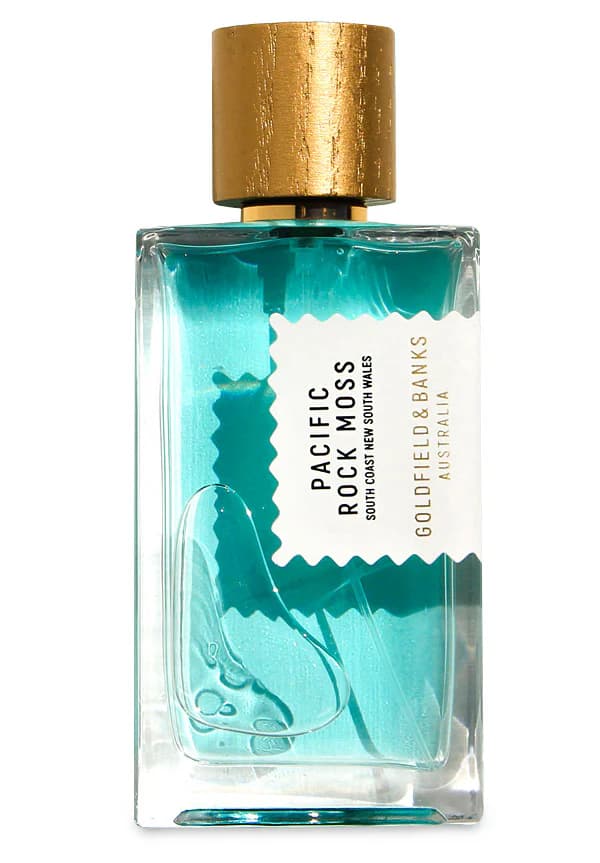
Look for fragrances with aquatic notes, soft woods, marine accords, or clean musks. These feel natural in humid coastal air. Avoid anything too sharp, too sweet, or too projecting; fog can amplify projection in strange ways, making moderate scents feel heavy. Ideal Fog Fragrances: Clean Musks: Soft white musks create gentle presence in fog without overwhelming. Examples: Glossier You, Clean Warm Cotton, Narciso Rodriguez For Her. These maintain intimacy despite humidity's amplification effect. Marine Aquatics: Sophisticated coastal fragrances harmonize with marine layer. Examples: Maison Margiela Sailing Day, Goldfield & Banks Pacific Rock Moss, Hermès Eau de Gentiane Blanche. They smell like elevated version of surrounding air rather than competing foreign presence. Green Aromatics: Fresh herbaceous compositions feel appropriate in cool humidity. Examples: Hermès Un Jardin sur le Toit, Diptyque L'Ombre dans l'Eau. Green notes have natural freshness suited to foggy conditions. Light Woods: Soft sandalwood, gentle cedar, or vetiver without heavy accords. Examples: Diptyque Tam Dao, Tom Ford Grey Vetiver, Hermès Terre d'Hermès. Woods provide substance without heaviness. Tea Compositions: Green, white, or black tea fragrances work beautifully. Examples: L'Artisan Parfumeur Thé pour un Été, Elizabeth Arden Green Tea. Tea's natural lightness suits humid mornings. Mineral Fresh: Compositions emphasizing stone, minerals, or ozone. Examples: Hermès Eau de Gentiane Blanche, certain niche mineral-forward options. These capture fog's own mineral-salty character. Fragrances to Avoid in Fog: Heavy Gourmands: Vanilla bombs, intense caramel, chocolate notes become oppressive. The cool humidity makes sweetness feel cloying rather than comforting. Loud Orientals: Spice-heavy, resinous, amber-dominant fragrances overwhelm in fog. Their projection amplifies uncomfortably. Sharp Synthetics: Cheap aquatics or harsh aromachemicals smell more chemical and less pleasant in humidity. Very Citrus-Forward: Bright citrus loses sparkle in fog. While not offensive, it underperforms compared to dry conditions. Beast Mode Projectors: Anything with aggressive sillage becomes room-dominating in fog. Dior Sauvage, Spicebomb, etc. need extreme restraint or avoidance.

The Fog-to-Sun Transition

Fragrances that transition well from fog to sunshine
Many days start foggy and become sunny. Choose fragrances that adapt: starting fresh and clean in marine layer, then warming nicely as the sun breaks through. Versatility is key for variable Santa Cruz weather. Understanding Santa Cruz's Daily Pattern: Typical summer day: - 6-9am: Dense fog, 55-60°F, high humidity - 9-11am: Fog thinning, 60-65°F, moderate humidity - 11am-2pm: Sun breaking through, 68-72°F, lower humidity - 2-5pm: Full sun, 72-75°F, dry conditions - 5pm onward: Fog returning, cooling again Your morning fragrance needs to work across this dramatic transition—from cold-humid to warm-dry and back to cool-humid. Versatile Fragrance Characteristics: Moderate Projection: Not so quiet it disappears when fog lifts, not so loud it overwhelms when fog amplifies it. Sweet spot: 2-3 foot projection in normal conditions. Temperature Stability: Maintains character across 20-degree temperature swing. Doesn't become sharp when warming, doesn't disappear when cooling. Humidity Tolerance: Smells pleasant in both humid fog and drier afternoon sun. Notes that work: clean musks, soft woods, light aquatics, green aromatics. Development Adaptability: Benefits from fog's extended development in morning, then transitions gracefully to normal development in afternoon sun. Best All-Day Fragrances for Variable Weather: Hermès Terre d'Hermès: Mineral citrus with vetiver. Fresh enough for fog, substantial enough for sun. Moderate projection works across conditions. Consistently excellent performer in Santa Cruz's variable weather. Tom Ford Grey Vetiver: Clean vetiver with citrus. Versatile across temperatures and humidity levels. Professional enough for work, interesting enough to enjoy all day. Maison Margiela Sailing Day: Aquatic with seaweed and aldehydes. Harmonizes with marine layer, maintains presence when sun emerges. Coastal character works regardless of weather state. Diptyque Tam Dao: Creamy sandalwood. Substantial without heaviness. Handles humidity beautifully, warms nicely in sun. Consistent across conditions. Application Strategy for Variable Days: Check weather forecast. If fog-to-sun transition expected: - Apply slightly more than you would for all-day fog - Choose fragrances with good longevity (need to last through transition) - Avoid fragrances that become overwhelming in warmth - Consider where you'll be during transition (outdoors: more tolerance, indoor office: less tolerance)

Testing in Real Conditions

Testing fragrances in real Santa Cruz foggy conditions
The only way to know if a fragrance works in fog is to wear it in fog. Decants let you test on actual marine layer mornings: walking along West Cliff, heading to work, experiencing how it performs in real Santa Cruz conditions. Why Real-World Testing Matters: You can't predict fog performance from department store testing. Controlled indoor environments don't replicate 90% humidity and 58°F coastal conditions. Fragrances that smell perfect on sample strip in store might be completely different walking along Westcliff on foggy June morning. Decant Testing Protocol: Systematic approach to fog testing: Day 1 (Heavy Fog Morning): - Apply one spray of decant - Assess performance: Does it amplify uncomfortably? Maintain appropriate presence? Feel harmonious with environment? - Note how long it lasts in humidity - Assess if projection is too much, too little, or appropriate Day 2 (Variable Weather): - Apply same amount - Track performance through fog-to-sun transition - Note if it becomes overwhelming as day warms - Assess if it maintains presence or disappears Day 3 (Sunny Morning for Comparison): - Apply on rare sunny morning - Compare performance to foggy testing - Note difference in projection and development Days 4-7 (Different Contexts): - Test in various fog conditions: light mist vs. heavy marine layer - Try different activities: beach walk vs. office work vs. errands - Different application amounts: Does less work better in fog? Keep Testing Notes: Track: - Weather conditions (temperature, humidity level, fog density) - Application amount and location - Performance throughout day - Others' reactions (if any comments about your fragrance) - Your comfort level - Longevity - Whether you'd wear this again in similar conditions Testing Multiple Options: Decant sets allow systematic comparison: - Test different fragrances across similar fog conditions - Compare marine aquatics vs. soft woods vs. clean musks in fog - Identify which categories work best for your chemistry in humidity - Build knowledge of what succeeds in Santa Cruz conditions

Lifestyle Contexts for Fog Wearing

Different lifestyle contexts for wearing fragrance in fog
Different foggy morning activities need different fragrance approaches: Early Beach Walks (6-8am): Heaviest fog, most humid, coolest temperatures. Choose lightest, most coastal-appropriate options. Clean musks, gentle aquatics, barely-there freshness. You're literally at the ocean in dense marine layer—fragrance should enhance rather than compete. One spray maximum. Commuting Through Fog (7-9am): Close quarters (car, bus) in fog amplify projection. Extremely subtle fragrances only. Consider skipping fragrance entirely if taking crowded public transit in fog. If driving alone, moderate options work fine. Office Work (Foggy Start, Variable Day): Choose fragrances that work professionally in humidity and transition gracefully to afternoon sun. Moderate clean musks, soft woods, professional aquatics. Consider that morning fog-amplified projection affects colleagues; afternoon sun-emergence changes dynamics. Need consistent appropriateness across day. Outdoor Activities (Hiking, Cycling, Walking): Fog amplifies projection less when you're moving through open air. Can wear slightly more presence here than in enclosed spaces. Choose nature-harmonious options (woods, greens, aquatics) rather than obviously synthetic. Coffee Shop Working (Morning Fog): Close indoor quarters with scent-conscious Santa Cruz community. Absolute minimal application of whisper-quiet fragrances. Fog has already amplified projection before you enter; indoor space concentrates it further. When in doubt, skip fragrance. Weekend Errands (Variable Fog): Diverse contexts (stores, outdoor walking, car, restaurants) require versatile moderate fragrances. Nothing too much or too little. Fresh citrus-woods, clean musks, professional aquatics work well.

Seasonal Fog Patterns and Fragrance

Santa Cruz fog isn't uniform—seasonal patterns affect fragrance strategy: May-August (Peak Fog Season): Daily marine layer, often lasting until noon or beyond. Coldest and most humid. This period requires most careful fragrance selection. Focus entirely on fog-friendly options. Expect nearly daily cool-humid conditions. Light aquatics, soft woods, clean musks dominate. Heavy fragrances stored away until fall. September-October (Fog Clearing): Transitional period. Some foggy mornings, many sunny days. More versatility possible. Can reintroduce moderate warmer fragrances on clear days while maintaining fog-friendly options for marine layer mornings. Check daily weather before applying. November-April (Winter Fog): Less frequent but denser when it appears. Cooler temperatures (50-60°F) allow slightly richer fragrances than summer fog. Winter fog humidity still amplifies projection, but cool temperatures balance richness better. Moderate woods, soft ambers, cooler orientals work better than summer. Microclimates: Santa Cruz neighborhoods experience different fog patterns: - Westside/Beach Areas: Heaviest, most persistent fog. Most careful fragrance selection needed. - Downtown/Midtown: Moderate fog, burns off earlier. Slightly more versatility. - Upper Campus/Pogonip: Variable fog, sometimes above marine layer. More flexibility. - Eastside/Aptos: Less fog, warmer. Standard fragrance wearing often appropriate. Your home location affects daily fragrance strategy.

Ready to Discover Your Signature Scent?

Book an appointment to explore fragrances in a guided, pressure-free environment.

Frequently Asked Questions

Related Topics

Coastal Clean Fragrances

Coastal clean fragrances capture the essence of ocean air, sea salt, and fresh breezes without smelling like sunscreen or laundry detergent. They're the olfactory equivalent of a perfect beach day. For Santa Cruz residents living where the Pacific meets the redwoods, coastal clean fragrances provide olfactory harmony with environment—scents that feel like natural extensions of our surroundings rather than imported foreign presences. These aren't generic "ocean breeze" department store clichés; they're sophisticated compositions evoking the specific character of California's central coast: salty mineral air, weathered driftwood, coastal cypress, sun-warmed rocks, and that distinctive ozone quality of marine fog. The best coastal clean fragrances smell like standing on West Cliff at dawn, walking through Natural Bridges, or experiencing that first breath of fresh air after fog lifts.

Santa Cruz-Friendly Fragrances (What It Means)

Not every fragrance works in Santa Cruz. The coastal climate, scent-sensitive community, and outdoor-focused lifestyle create a unique context for fragrance. Understanding what makes a scent "Santa Cruz-friendly" helps you build a collection that actually fits your life here. What succeeds in Manhattan, Miami, or Los Angeles might fail spectacularly in Santa Cruz—not because the fragrances are bad, but because context matters enormously. Our marine layer, temperature swings, scent-conscious culture, outdoor lifestyle, and community values create specific requirements for appropriate fragrance wearing. Heavy orientals that work beautifully in air-conditioned urban environments feel oppressive on foggy beach walks. Loud projectors that signal status in corporate settings read as aggressive and inconsiderate in Santa Cruz's wellness-oriented shared spaces. Understanding local fragrance culture helps you choose wisely and wear confidently.

Beach Day Fragrances That Aren't Sunscreen

Beach fragrances can be sophisticated and interesting without defaulting to coconut sunscreen or generic aquatic clichés. The best beach scents complement coastal air rather than trying to bottle it literally. For Santa Cruz beach culture—where you're as likely to encounter surf photographers and marine biologists as you are tourists—fragrance sophistication matters. The right beach scent captures coastal essence through evocative rather than literal interpretation: sea salt minerality instead of sunscreen coconut, driftwood character instead of generic aquatics, ozonic freshness instead of synthetic "ocean breeze." These fragrances complement Santa Cruz's rugged coastline, kelp-strewn beaches, and dramatic rock formations rather than tropical resort fantasies.