Phase 1: Testing with Scent Tubes

Scent tubes let you experience fragrances without overwhelming spray clouds. Smell directly from the tube to get a clear impression of each scent. This method helps you compare multiple fragrances and identify which families and notes appeal to you most.
Why Scent Tubes Work Better Than Spraying:
- Sensory Clarity: Spraying multiple fragrances creates mixed cloud in air confusing your nose. Scent tubes keep each fragrance isolated allowing clear individual assessment.
- No Overwhelming: Spray testing in small space quickly becomes overwhelming—too many scents mixing, too much sensory input. Scent tubes control intensity allowing sustained testing without fatigue.
- Precise Comparison: With tubes, you can smell Fragrance A, then immediately smell Fragrance B, comparing directly. Spray testing requires waiting for air to clear between samples.
- Distance Control: Tubes allow testing at various distances (close, medium, far) mimicking how others will experience your fragrance. This helps assess projection.
- No Waste: Spraying fragrances for testing wastes significant product. Tubes preserve fragrance while allowing unlimited smelling.
Scent Tube Testing Protocol:
Step 1 - Clear Nose: Start with clean palate. Avoid strong scents beforehand (coffee, food, other fragrances). Don't test when congested or after smoking.
Step 2 - Systematic Sampling: Smell first tube 3-4 times: initial impression, second impression after 10 seconds, third after another 10 seconds. Note immediate reaction.
Step 3 - Rest Between Samples: Wait 15-30 seconds between different fragrances. Breathe normally, look away, reset attention. This prevents comparison fatigue.
Step 4 - Narrow Field: After sampling 6-10 options, identify top 3-4 candidates that resonated most strongly. Set aside others.
Step 5 - Comparative Retest: Return to finalists for careful comparison. What makes each distinct? Which feels most "you"? Which circumstances suit each?
Step 6 - Paper Strip Test: Apply finalists to separate paper strips. This allows tracking development over 30-60 minutes while discussing and considering. Watch how they evolve—some improve, some decline.
What to Notice During Tube Testing:
- Immediate attraction or aversion
- Notes you recognize (citrus, vanilla, woods, etc.)
- Associations or memories triggered
- Physical reactions (headache, nausea, pleasure)
- Intensity and projection level
- Overall character (fresh, warm, floral, etc.)
Phase 2: The Development Timeline

Fragrances unfold in stages: top notes (first 15-30 minutes), heart notes (30 minutes to 2 hours), and base notes (2+ hours). Initial impressions can be deceiving. Some fragrances improve over time, others decline. Wearing a decant reveals the full story.
Understanding Fragrance Structure:
Top Notes (0-30 minutes): Lightest, most volatile molecules. First impression:
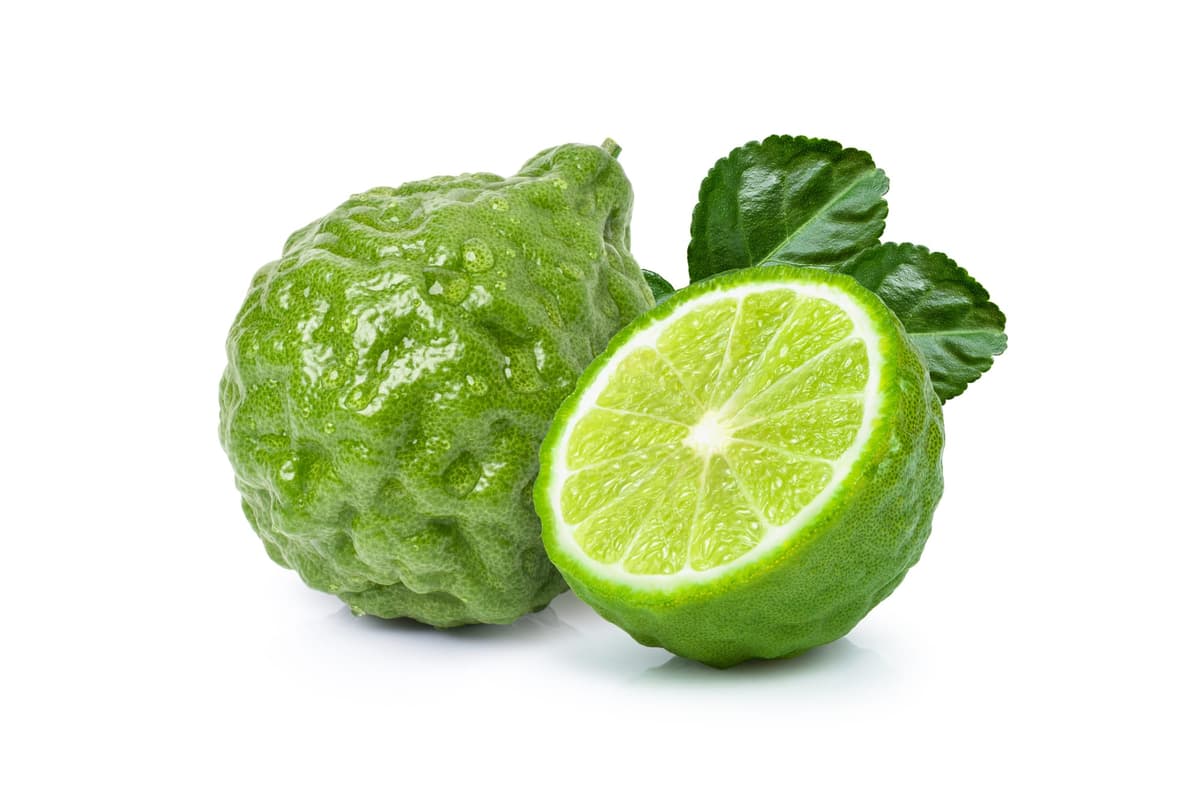
- Common top notes: citrus (bergamot, lemon), light aromatics (lavender), aldehydes, fresh elements
- Purpose: Create initial impression, attract attention, provide opening brightness
- Evaporation: Fast—top notes disappear within 30 minutes typically
- Importance: Creates first impression but isn't final character
Heart Notes (30 minutes - 4 hours): Middle stage revealing fragrance's true character:
- Common heart notes: florals (rose, jasmine, iris), spices, fruits, some woods
- Purpose: Provide main character and personality of fragrance
- Development: Emerges as top notes fade, dominates mid-wearing
- Importance: This is what you're actually wearing most of the time
Base Notes (4+ hours): Heaviest molecules lasting longest:
- Common base notes: woods (sandalwood, cedar, vetiver), musks, vanilla, amber, patchouli
- Purpose: Provide longevity, depth, foundation for composition
- Persistence: Can last 8-24+ hours depending on fragrance
- Importance: What remains after hours—your skin scent
Why Development Matters: Fragrances that smell amazing initially (bright citrus, fresh aromatics) might dry down to bases you hate (harsh musks, heavy woods). Conversely, fragrances with unremarkable openings might develop into beautiful heart and base notes. Only wearing fragrance for several hours reveals whether you love all phases or just initial spray.
Common Development Patterns:
- Improvers: Start nice, become beautiful. Base notes more appealing than opening.
- Decliners: Amazing opening, disappointing drydown. Top notes mislead.
- Consistent: Smell similar throughout—well-integrated composition maintaining character across phases.
- Transformers: Completely different character at 1 hour vs. 6 hours. Can be exciting or disappointing depending on preferences.
Testing Timeline: Smell fragrance at:
- Application (immediate)
- 15 minutes (top notes settling)
- 1 hour (heart emerging)
- 4 hours (base notes dominating)
- 8 hours (final drydown)
Note reactions at each stage—does it improve, stay consistent, decline?
Managing Nose Fatigue

Don't test too many at once or your nose will fatigue. Take breaks, step outside for fresh air, smell coffee beans to reset your senses. Good testing requires patience and attention to what you're experiencing.
Olfactory Fatigue Science: Your nose adapts to sustained smells within 15-20 minutes (olfactory adaptation). After smelling 6-8 different fragrances, discrimination ability degrades significantly. This fatigue affects judgment—everything starts smelling similar or neutral.
How to Prevent Fatigue:
- Limit Sessions: Test maximum 8-10 fragrances per session
- Take Breaks: Rest 5 minutes between every 3-4 fragrances
- Fresh Air: Step outside between samples—ocean air clears nose beautifully
- Coffee Bean Myth: Smelling coffee beans is popular reset method, though scientific support is limited. Fresh air works better.
- Neutral Textiles: Smelling clean cotton or wool can reset palate
- Hydration: Drink water between samples—dehydration affects smell perception
Signs of Nose Fatigue:
- Everything starting to smell the same
- Can't distinguish between different fragrances
- Reduced sensitivity to subtle differences
- Headache or nasal irritation
- Loss of interest in continued testing
When these appear, stop testing. Your judgment is compromised. Resume tomorrow with fresh nose.
Optimal Testing Schedule: Break testing across multiple days rather than cramming:
- Day 1: Test Fresh and Woody families (6-8 total)
- Day 2 (after 24-hour rest): Test Floral and Oriental families
- Day 3: Retest top candidates from both sessions for final comparison
This prevents fatigue while maintaining systematic coverage.
Real-World Testing with Decants

The best test is wearing a fragrance in your actual life. Decants let you experience fragrances through work meetings, exercise, temperature changes, different moods. Wear a fragrance for at least a week before deciding. This is the only way to know if it truly fits your life.
The Real-Life Test Requirements: You need minimum 5-7 wears in varied contexts answering critical questions scent tube testing can't:
Performance Questions:
- How long does it last on your skin? (Longevity varies dramatically by individual chemistry)
- How much does it project? (Projection differs on different people)
- Does it trigger headaches or discomfort? (Only extended wearing reveals this)
- How does body heat affect it? (Exercise, stress, warm rooms all impact fragrance)
- Does it survive Santa Cruz weather? (Fog, temperature swings, humidity)
Social/Contextual Questions:
- Do you get compliments? (Positive social feedback matters)
- Does anyone comment negatively? (Critical information)
- Does it feel appropriate across your contexts? (Work, social, casual, formal)
- Do you feel confident wearing it? (Psychological comfort essential)
- Does it match your self-image? (Olfactory authenticity)
Practical Questions:
- Do you reach for it naturally or feel obligated?
- Does it pair well with your routine scented products?
- Does it work with your style/aesthetic?
- Do you tire of it or continue enjoying it?
- Would you be excited to buy full bottle?
Strategic Testing Schedule:
- Wear 1-2: Initial experience, checking immediate comfort
- Wear 3-4: Testing in specific contexts (work, social, casual)
- Wear 5-6: Assessing whether excitement continues or fades
- Wear 7+: Final confirmation before purchase decision
This systematic wearing answers all critical questions before financial commitment.
Making Your Decision
After wearing a decant for several days, you'll know if it works for you. Pay attention to how it makes you feel, whether people notice it, if it suits your style, and whether you actually reach for it. That's how you know if a fragrance deserves a full bottle.
Decision Criteria Matrix: Evaluate each tested fragrance across multiple dimensions:
Chemistry Compatibility (Critical):
- Does it smell good on your skin specifically?
- Does it last reasonable time?
- Does it develop pleasantly or turn sour?
- If chemistry doesn't work, nothing else matters
Lifestyle Fit (Critical):
- Works in your most frequent contexts?
- Appropriate for your profession/workplace?
- Suits your social activities?
- If it doesn't fit your life, you won't wear it
Emotional Response (Important):
- Makes you feel good/confident wearing it?
- Authentic to your personality?
- Excited to wear it or feels like obligation?
Social Reception (Moderate):
- Positive compliments received?
- No negative reactions?
- Aligns with how you want to be perceived?
Practical Considerations (Moderate):
- Affordable for regular repurchase?
- Available when you need more?
- Fills gap in existing wardrobe?
The Decision Framework:
- Enthusiastic Yes on All Critical + Most Important = Buy full bottle
- Yes on Critical, Mixed on Others = Buy larger decant for extended testing
- Neutral or No on Any Critical = Pass, keep testing other options
- Love but impractical (too expensive, wrong contexts) = Consider occasional wearing via decants rather than full bottle
Trust Your Gut: After systematic evaluation, intuition matters. If something checks all boxes but doesn't excite you, that's valuable signal. If something has flaws but you're obsessed, that's also meaningful. Balance analysis with instinct.