4 min read
Cologne Decants in Santa Cruz
Cologne decants offer a smart way to explore fragrances without the commitment of a full bottle. Discover scents that work with Santa Cruz's unique coastal environment without investing in full-size bottles. Whether you're looking for fresh citrus for daily wear, sophisticated woods for evenings, or versatile signatures that transition from surf to dinner, decants let you test before you invest. Our collection focuses on fragrances that complement rather than compete with Santa Cruz's natural environment, thoughtful, well-crafted scents that feel authentic to our coastal lifestyle.
Beyond Traditional Cologne
Modern fragrance blurs old categories. We help you find scents based on your preferences and lifestyle, whether fresh and aquatic, woody and grounded, or something entirely different, without limiting you to outdated gender categories. The term "cologne" historically referred to Eau de Cologne, a light, citrus-based concentration around 2-5% fragrance oils.
Santa Cruz-Appropriate Fragrances
Our coastal community tends toward close-wearing, thoughtful fragrances rather than loud statement scents. We specialize in fragrances that feel personal: scents that people notice when they're close to you, not across the room. Santa Cruz fragrance culture is defined by subtlety and respect for shared spaces. Unlike urban environments where bold projection might be valued, Santa Cruz prioritizes scents that create intimate auras rather than broadcasting presence. This aligns with local values around mindfulness, community respect, and harmony with natural environments.
Browse Our Collection
Shop NowTesting in Real Life
A decant lets you judge a fragrance on your life, not on a thirty second sniff at a counter. Wear it to a morning coffee run, on a beach walk, through the farmer's market, into a long work afternoon. You learn the things that actually matter: how it reads in fog versus afternoon sun, whether it lasts past lunch or fades in an hour, whether the drydown gives you a headache, and whether people stand a little closer or lean away. Give any new scent at least three or four wears across different days before you decide, since first impressions are unreliable and a lot of great fragrances only click on the second or third wear. If you would rather smell a range side by side first, come in for a free scent flight and take home decants of whatever stood out.
Popular Profiles for Santa Cruz
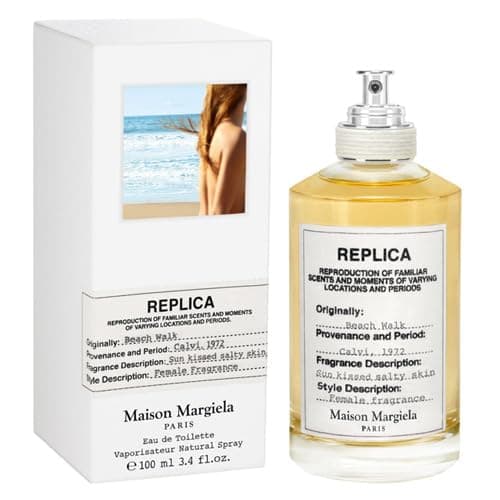
Based on years of appointments with Santa Cruz customers, certain fragrance profiles consistently succeed here: Fresh Aquatic Clean, marine, slightly salty compositions. These feel effortlessly Santa Cruz, like you've just come from the beach (even if you haven't). Examples: Acqua di Parma Colonia, Maison Margiela Sailing Day, Hermès Eau de Narcisse Bleu. Perfect for daytime, work, active pursuits.
Find Your Signature Scent
Shop NowApplication and Wearing Tips
How you apply a fragrance changes how it performs.
Pulse points: Wrists, neck, behind the ears, and the inner elbows are warm, so they diffuse scent well. Do not rub your wrists together after spraying; it crushes the top notes and shortens the wear.
Less is more here: In Santa Cruz's close quarters, start with one or two sprays. You can always add more, but you cannot take it back, and you will go nose blind to your own scent within half an hour, which is how people end up overapplying.
Spray onto skin, not into a cloud: Walking through a mist mostly scents the air. Aim at the skin, and if you want a softer, longer trail, a light spray on clothing holds fragrance well.
For scents meant to stay close in shared spaces, see our guide to Santa Cruz friendly fragrances and browse scent families to find your lane.
Ready to Discover Your Signature Scent?
Visit in person for a guided, no-pressure session.
Frequently Asked Questions
Still Have Questions? Come Smell for Yourself
Stop by the shop to explore fragrances in person. No pressure, just guided discovery.
Related Topics
Perfume Decants in Santa Cruz
Perfume decants are small portions of luxury fragrances, carefully transferred into travel-friendly bottles. Instead of blind-buying a $200+ bottle, you can test a fragrance in your daily life for a fraction of the cost. For perfume enthusiasts and newcomers alike, decants transform fragrance discovery from expensive risk to accessible exploration.
Niche Fragrance Samples in Santa Cruz
Niche fragrances are artisanal scents made by independent houses that care more about quality ingredients and creative expression than mass appeal. These are the fragrances you will not find at a department store counter: unique, thoughtful, and often surprising. Sampling them first, in small decant sizes, is how you explore that world without gambling on a full bottle. Smell a range through scent tubes on a [free scent flight](/flights), then take home whatever caught you.
Coastal Clean Fragrances
Coastal clean fragrances capture ocean air, sea salt, and a fresh breeze without smelling like sunscreen or laundry detergent. They are the scent version of a perfect beach day: bright, airy, and easy to wear. In a town built around the water, they feel less like perfume and more like an extension of where you already are. If you want to smell a few side by side, come in for a [free scent flight](/flights) and take home decants of your favorites.