Best Tonka Fragrances

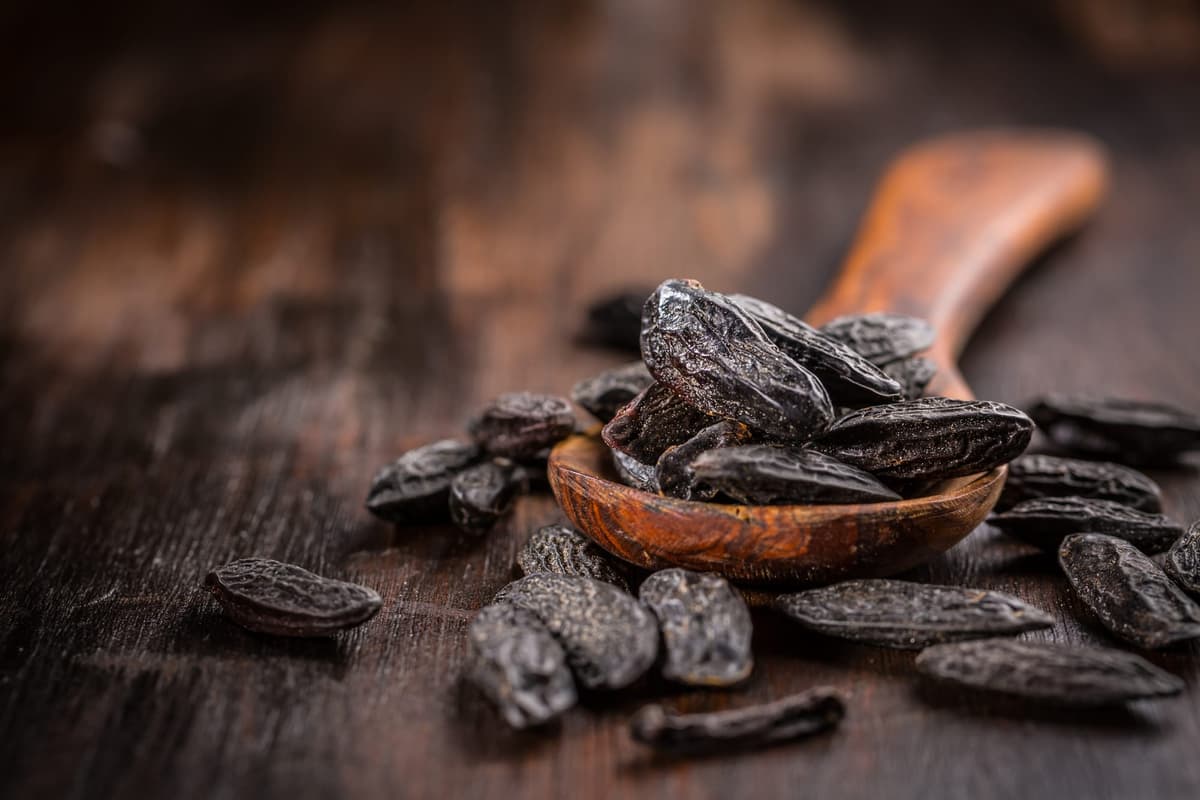
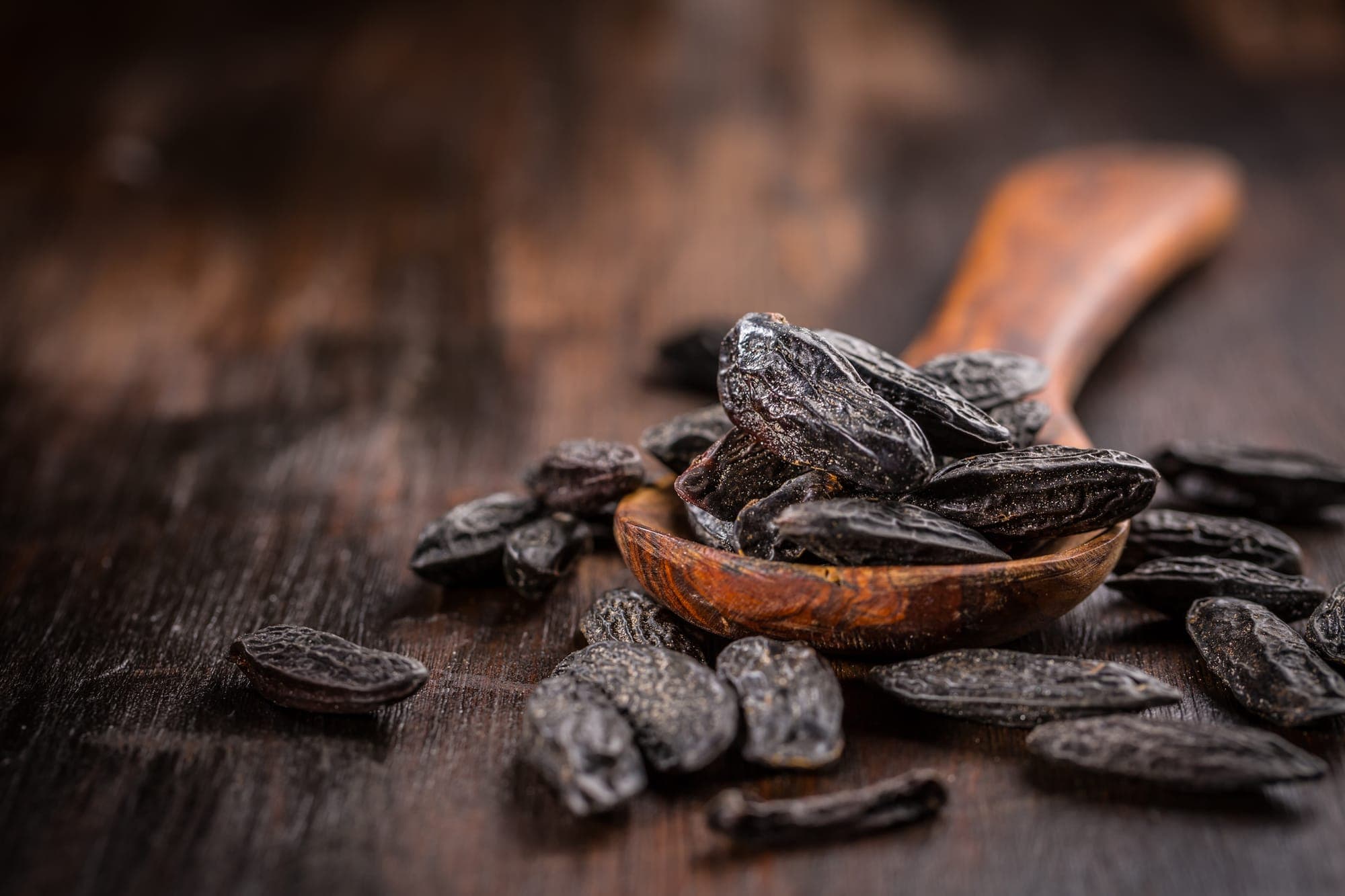
Tonka bean creates warm, slightly sweet fragrances with almond and vanilla-like qualities, but drier and more sophisticated than straight vanilla. It's comfort food for the nose without being gourmand. Extracted from seeds of Dipteryx odorata tree native to South America, tonka bean absolute offers one of perfumery's most versatile warm notes—simultaneously reminiscent of vanilla, almond, hay, caramel, tobacco, and even cherry. This complexity allows tonka to function across fragrance styles: adding warmth to fougères, depth to orientals, sophistication to gourmands, balance to fresh scents. Unlike pure vanilla which can overwhelm with sweetness, tonka's natural coumarin provides dry, almost herbal character tempering sweetness with subtle bitterness. This restraint makes tonka-based fragrances wearable daily rather than occasional treats—comforting sophistication rather than dessert.
Best Tonka Fragrances

Understanding Tonka's Complex Character
Complex characteristics of tonka bean in perfumery
Tonka bean occupies unique territory in perfumery—sweet but not cloying, warm but not heavy, gourmand but sophisticated: The Coumarin Component: Tonka's distinctive smell comes primarily from coumarin, natural compound also found in woodruff, hay, sweet grass. Coumarin smells sweet and vanilla-like but with herbal-hay quality creating complexity. This is why tonka simultaneously evokes vanilla and fresh-cut hay—seemingly contradictory but beautifully integrated. Multifaceted Aroma: Tonka suggests multiple scent profiles simultaneously: - Almond: Most prominent association, similar to marzipan or almond extract - Vanilla: Sweet, creamy character but drier than pure vanilla - Caramel: Slight burnt-sugar quality in rich tonka - Hay: Dried grass, tobacco-leaf warmth - Cherry: Subtle maraschino cherry aspect in some tonka - Tobacco: Earthy, slightly smoky dried tobacco leaves This multifaceted quality makes tonka incredibly versatile—it reads differently in different compositions based on what's emphasized. Natural Sweetness Restraint: Unlike vanillin (pure vanilla compound) which is intensely sweet, tonka's sweetness is tempered by herbal-bitter coumarin undertones. This natural restraint prevents cloying quality even in generous amounts. Tonka adds warmth without overwhelming. Quality Variations: Like most natural materials, tonka quality varies: - Venezuelan Tonka: Finest quality, most refined and balanced - Brazilian Tonka: Slightly more bitter, tobacco-forward - Lower grades: Less complex, more one-dimensional Premium fragrances use Venezuelan tonka absolute; mass-market options might use synthetic coumarin approximations.

Tonka Fragrances We Carry

Guerlain L'Homme Ideal – Sophisticated almond and tonka over patchouli, vetiver, and cedar creating modern masculine charm with sweet gourmand twist. Elegant and wearable. Guerlain Aqua Allegoria Forte Bosca Vanilla – Rich caramelized vanilla and almond with tonka bean and benzoin. The tonka adds complexity to the vanilla base. Guerlain Vetiver De Paris – Pure vetiver with tonka bean and pepper providing warm sweetness to balance the green earthiness. Guerlain Aqua Allegoria Forte Nerolia Vetiver – Intense neroli and fig over vetiver, cedar, and tonka bean. The tonka provides soft warmth. Guerlain Aqua Allegoria Orange Soleia – Sicilian blood orange with mint over musk and tonka bean. Light and sunny with subtle warmth. Jo Malone Myrrh & Tonka Intense – Rich myrrh and tonka with almond, lavender, and amber woods creating warm resinous embrace. This is tonka done beautifully. Burberry Brit – Fresh fruity woody with vanilla, tonka bean, amber, and musk adding warmth. Comforting and approachable. Carolina Herrera Bad Boy – Bold spicy opening with sweet gourmand cacao-tonka base. Modern and daring. Prada L'Homme – Refined iris and soft leather over tonka bean, patchouli, cedarwood creating elegant Italian sophistication. Replica Jazz Club – Smoky jazz club with rum and tobacco over vanilla bean and tonka bean. Sophisticated vintage atmosphere. Replica Coffee Break – Morning coffee with creamy milk over vanilla, tonka bean, cedarwood. Energizing and comforting. YSL La Nuit De L'Homme – Cardamom and lavender over warm tonka bean and vanilla with caraway. Seductive masculine sophistication. YSL Y – Fresh apple and sage over amberwood, tonka bean, cedar, vetiver. Modern masculine confidence. Zoologist Bat, Chipmunk, Hyrax, Tiger – All feature tonka bean in complex, unusual compositions.

What Makes Tonka Special in Perfumery

Tonka's versatility across different fragrance styles
Tonka has a complex sweetness—hints of almond, vanilla, hay, and even tobacco. Unlike pure vanilla which can be cloying, tonka has a natural dryness that keeps it wearable. It adds warmth and comfort without being heavy or obviously sweet. Versatility Across Styles: Tonka functions in remarkably diverse fragrance types: - Fougères: Classic pairing with lavender, coumarin, oakmoss creating sophisticated masculine structure - Orientals: Adding warmth and sweetness to amber, spice, resin compositions - Gourmands: Providing dry sweetness preventing dessert-like cloying - Woods: Creating cozy, warm woody compositions without pure vanilla heaviness - Fresh: Balancing bright citruses or aquatics with subtle warmth This cross-category utility makes tonka one of perfumery's most valuable materials. Gender Neutrality: Despite tonka's warmth and sweetness, it works beautifully across genders. Many masculine classics use tonka (Guerlain L'Homme Idéal), as do feminine favorites (many Guerlain compositions), and unisex options. The almond-hay character provides sophistication preventing overly feminine sweetness. Longevity Contribution: Tonka's molecular weight and substantivity create excellent longevity. Fragrances with prominent tonka bases typically last 8-12+ hours. This staying power plus close-wearing nature creates all-day subtle presence. Mood Enhancement: Tonka's warm, comforting character has genuine mood-enhancing effects. The coumarin compound in tonka has been studied for calming, relaxing properties. Wearing tonka fragrances creates subtle comfort sensation—not dramatic but noticeable. Food-Adjacent Without Being Edible: Tonka creates comfort and warmth associated with food (baking, desserts) without literally smelling like food. This food-adjacent quality makes tonka accessible and appealing while maintaining sophistication. You smell comforting, not like you spilled dessert on yourself.

Tonka in Composition

Common tonka pairing combinations in perfumery
The best tonka fragrances use it to add warmth to other notes rather than being tonka-forward. Look for tonka paired with woods (creates cozy depth), lavender (classic fougère combination), or gentle spices. These compositions feel sophisticated rather than gourmand. Tonka + Lavender (Fougère): Classic masculine combination dating to 19th century. Lavender's aromatic freshness balances tonka's warmth creating sophisticated, versatile structure. Examples: many traditional masculines, modern takes on fougère structure. This pairing feels timeless and refined. Tonka + Woods: Sandalwood, cedar, or vetiver with tonka creates warm woody sophistication. The tonka adds cozy character to woods without vanilla-like sweetness. Examples: many niche woody fragrances, Guerlain compositions pairing vetiver with tonka. This combination feels grounded and comfortable. Tonka + Vanilla: Doubling down on warmth. When tonka pairs with actual vanilla, result is rich, enveloping sweetness—but still more sophisticated than pure vanilla due to tonka's complexity. Examples: gourmand compositions, cozy winter fragrances. This feels indulgent and comforting. Tonka + Citrus: Bright citrus (bergamot, orange, grapefruit) with tonka base creates interesting contrast—fresh opening developing into warm, sweet base. The evolution is delightful: energetic start, comforting finish. Examples: various fresh fragrances using tonka for longevity and depth. Tonka + Amber/Resins: Oriental compositions using tonka with benzoin, labdanum, or amber. Rich, warm, resinous. These feel luxurious and special-occasion appropriate. Examples: Tom Ford Private Blend compositions, classic orientals. Tonka + Almond: Emphasizing tonka's natural almond facet. Creates marzipan-like sweetness but sophisticated rather than dessert-like. Examples: Guerlain L'Homme Idéal showcases this beautifully. Tonka as Supporting Element: Sometimes tonka appears subtly, adding warmth without being identifiable. It rounds compositions, provides base depth, extends longevity. This supporting role demonstrates tonka's utility beyond showcasing.

Testing Tonka in Santa Cruz

Testing tonka fragrances in Santa Cruz's variable conditions
Tonka can perform differently in humidity vs. dryness. Test in various conditions—foggy mornings, sunny afternoons. Some tonkas bloom beautifully in marine layer, others work better when it's dry. Find one that adapts to Santa Cruz's variable weather. Humidity Effects: Marine layer affects tonka fragrances noticeably: - Amplified Sweetness: Humidity can make tonka's sweetness more prominent. Fragrances that felt balanced in dry air might seem sweeter in fog. - Projection Changes: Tonka's warmth projects more in humidity. Apply less in foggy conditions. - Development Speed: Tonka develops more slowly in cool humid air—opening notes linger longer before tonka base emerges. Temperature Adaptability: Santa Cruz's temperature swings (55-75°F) test tonka versatility: - Cool Mornings: Tonka provides comforting warmth in morning chill - Warm Afternoons: Monitor for cloying—some tonkas become too sweet in warmth - Evening Cool-Down: Tonka maintains presence through temperature drop Seasonal Wearing: While Santa Cruz's mild climate allows year-round tonka wearing, subtle seasonal optimization helps: - Spring/Summer: Lighter tonka compositions with citrus or fresh elements - Fall/Winter: Richer tonkas with woods, vanilla, or spices Context Testing: Test tonka candidates in your actual Santa Cruz life: - Professional Contexts: Does tonka read as too sweet/casual for work? - Outdoor Activities: Does tonka feel appropriate during beach walks or hikes, or too food-like? - Evening Social: Does tonka create right atmosphere for Santa Cruz's casual-sophisticated dining scene? - Scent-Sensitive Spaces: Do yoga studios, wellness centers tolerate your tonka fragrance? Food Context Consideration: Santa Cruz's farm-to-table dining culture means you're often around real food. Test whether your tonka fragrance complements or competes with actual food smells. Some tonkas work beautifully; others feel redundant in restaurants.

Tonka vs. Vanilla

Understanding difference helps you choose appropriate warmth level: Tonka Advantages: - Drier, less sweet than vanilla - More complex (almond, hay, tobacco notes alongside vanilla-like sweetness) - More sophisticated, less "gourmand" - Works better in professional/serious contexts - Gender-neutral (vanilla reads more feminine to many people) - Better in warm weather (vanilla can be cloying; tonka stays balanced) When Vanilla Works Better: - Want pure, simple sweetness - Seeking obvious comfort scent - Building deliberately gourmand composition - Cold weather wearing where richness is asset Combining Both: Many fragrances use tonka AND vanilla together, getting benefits of both: vanilla's pure sweetness plus tonka's complexity and dryness. This combination creates sophisticated gourmand territory—sweet but not simple, warm but not cloying. For Santa Cruz: Tonka generally works better than pure vanilla. Our moderate climate doesn't demand vanilla's heavy warmth, and our cultural preference for sophistication favors tonka's complexity over vanilla's obviousness. Tonka feels more refined and appropriate for most local contexts.

Ready to Discover Your Signature Scent?

Book an appointment to explore fragrances in a guided, pressure-free environment.

Frequently Asked Questions

Related Topics

Best Vanilla Fragrances You Can Sample

Vanilla in fragrance ranges from cloying dessert sweetness to sophisticated refined warmth—understanding this spectrum helps you find vanilla fragrances that feel grown-up, complex, and wearable rather than juvenile or candy-like. The best vanilla fragrances balance richness with complexity: layering vanilla with complementary elements like tobacco for dryness, woods for grounding, spices for interest, or musks for intimacy rather than overwhelming you with one-dimensional sweetness. Most people's vanilla fragrance experience starts (and unfortunately often ends) with mass-market sweet vanillas: Bath & Body Works Warm Vanilla Sugar, celebrity perfume candy-vanillas, or generic body sprays that smell literally like frosting—these create negative "vanilla is too sweet" associations preventing exploration of sophisticated vanilla territory. The reality: vanilla as perfumery ingredient offers enormous range from dry woody-vanilla (barely sweet) to creamy milk-vanilla (soft comfort) to boozy rum-vanilla (adult sophistication) to smoky tobacco-vanilla (masculine depth) to fresh aquatic-vanilla (surprising pairing) creating vastly different olfactive experiences despite shared "vanilla" descriptor. For Santa Cruz specifically, vanilla fragrances require careful selection: our coastal humidity can amplify heavy sweet vanillas making them cloying (uncomfortable), while drier vanillas with woody/tobacco bases perform beautifully maintaining interest through fog-to-sun temperature transitions, and our casual-sophisticated culture favors vanillas that feel effortless rather than trying-too-hard sweet. This guide explores vanilla's full sophisticated spectrum, recommends specific tested-and-loved vanilla fragrances we carry as decants for local sampling, explains how to choose vanilla matching your personal style and SC lifestyle, and prevents expensive vanilla disappointments through proper testing strategies.

If You Like Gourmands: What to Try Next

If you love sweet, warm, comforting fragrances, there's a vast spectrum from candy-sweet to sophisticated warmth. Understanding the range helps you find gourmands that feel grown-up and appropriate for different contexts. Most gourmand lovers face progression challenge: start with obvious sweet fragrances (Ariana Grande Cloud, Bath & Body Works Warm Vanilla Sugar, candy-sweet celebrity perfumes), love initial comfort and sweetness but feel juvenile or embarrassed wearing "dessert perfume" as adult, want maintaining warmth and comfort without smelling like literal cupcake, worry that moving beyond sweet means cold/harsh fragrances losing cozy character, or settle for accessible gourmands knowing better exists but unsure how to find. Gourmand sophistication progression solves this: maintaining warmth and comfort while building refinement, discovering dry vanilla vs. candy vanilla (massive sophistication difference), learning to balance sweet with tobacco/woods/spice creating adult elegance, and finding gourmands appropriate for professional/social contexts while preserving cozy character. Perfect for: sweet fragrance lovers embarrassed by juvenile associations wanting sophistication, Ariana Grande Cloud wearers ready for quality upgrade maintaining sweet preference, anyone told "you smell like cookies" wanting refinement, or gourmand enthusiasts seeking progression from obvious to nuanced warmth. Gourmand sophistication allows keeping core comfort preference while evolving taste to match adult refined aesthetic.

Best Sandalwood Fragrances You Can Sample

Sandalwood is prized for its creamy, woody character: less aggressive than cedar, warmer than vetiver, and incredibly versatile. It's a cornerstone of many great fragrances and beautiful on its own. Derived from heartwood of Santalum trees (primarily Indian Santalum album and Australian Santalum spicatum), sandalwood essential oil offers perfumery one of its most beloved warm woody notes—simultaneously creamy, smooth, milky, slightly sweet, and profoundly calming. Unlike sharper woods (cedar, cypress) or greener woods (vetiver), sandalwood provides gentle, embracing warmth without aggression or harshness. Its versatility spans centuries and cultures: sacred in Indian spiritual traditions, foundational in Middle Eastern attars, essential in Western perfumery, and increasingly celebrated in contemporary niche compositions. Quality sandalwood smells like liquid silk—smooth, refined, expensive in best sense—creating sophisticated woody presence without masculine or feminine coding, working equally beautifully across genders, seasons, and contexts.