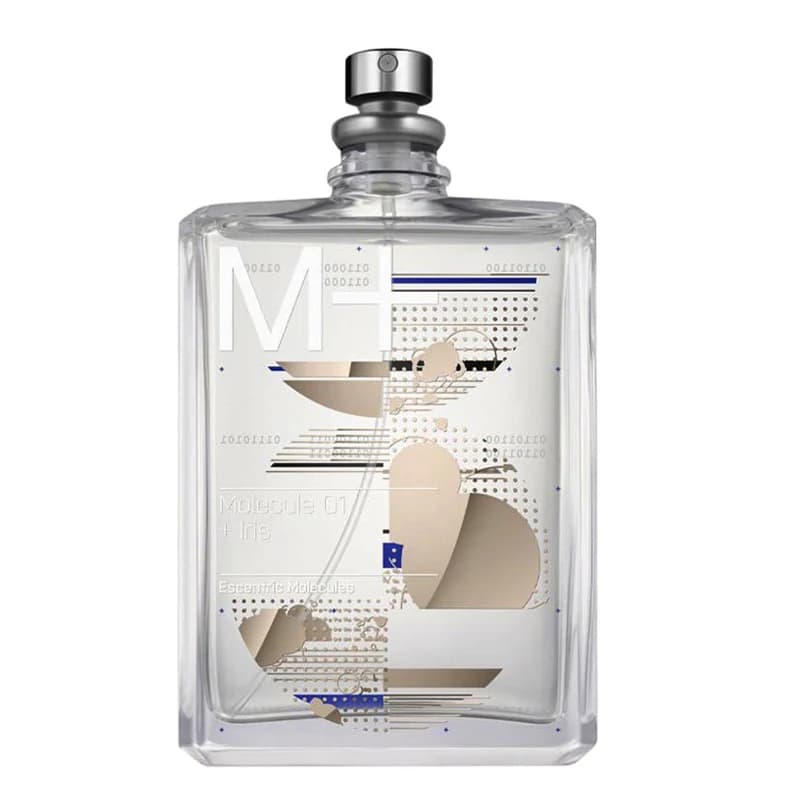
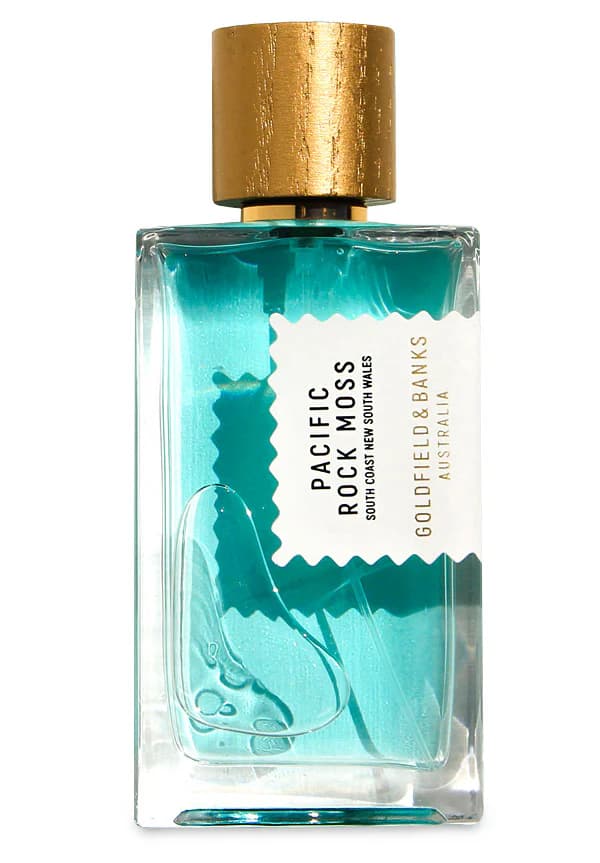
Best Patchouli Fragrances (Modern)

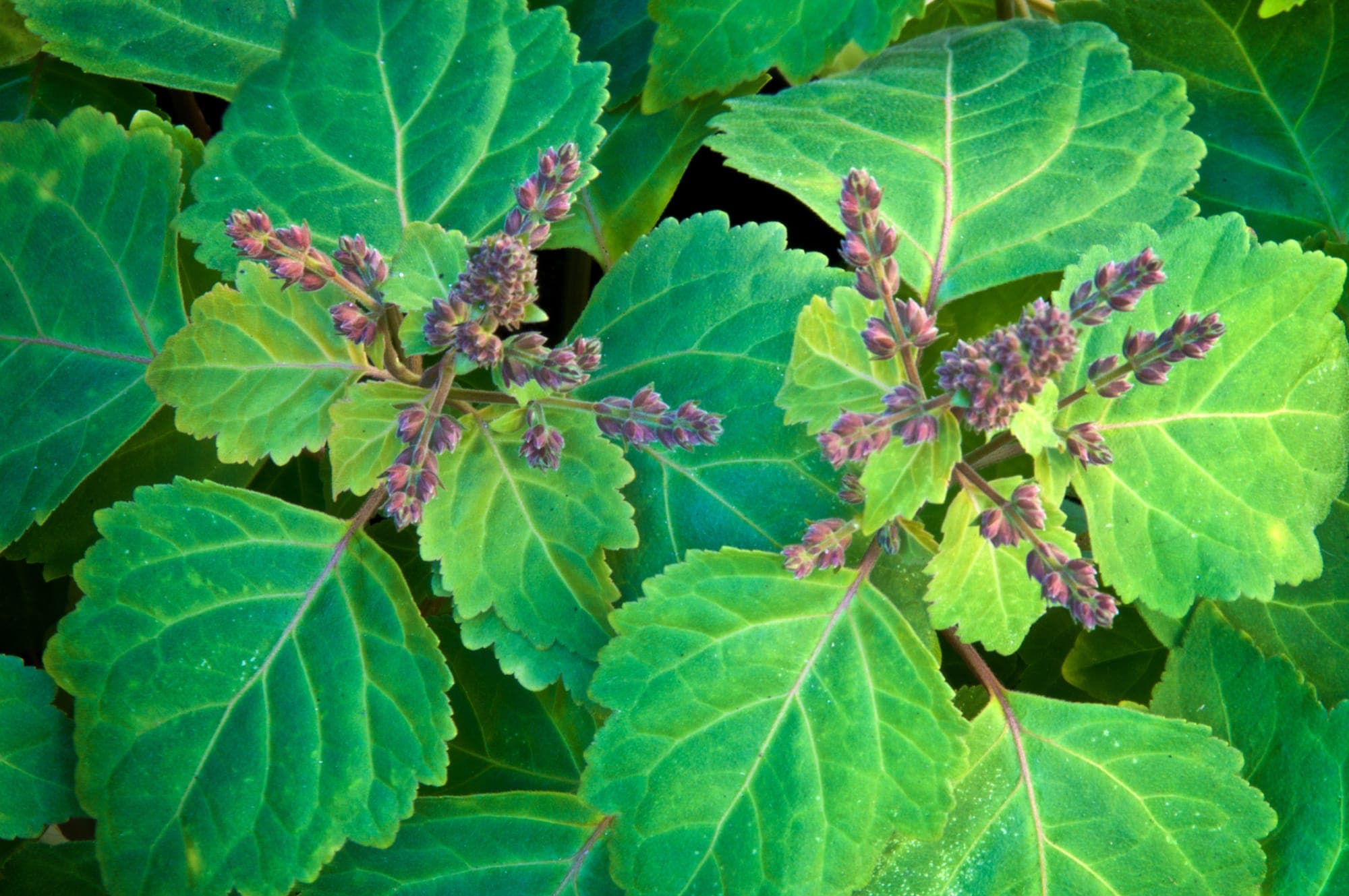
Patchouli has an unfair reputation from '60s headshop associations. Modern patchouli fragrances are sophisticated, earthy, and refined—using patchouli as a grounding note rather than the overwhelming star. These are contemporary compositions, not hippie throwbacks. Derived from leaves of Pogostemon cablin plant native to Southeast Asia, patchouli essential oil offers perfumery remarkable earthy-woody-sweet richness: soil, dark chocolate, forest floor, sweet decay, incense smoke, exotic spice. Unfortunately, countercultural movements of 1960s-70s adopted pure patchouli oil as signature scent (masking cannabis smell, affordable, anti-establishment statement), creating indelible association: patchouli = hippie headshop smell = dated, unsophisticated, overwhelming. This reputation persists despite modern perfumery's sophisticated use of patchouli since 1800s (traditional Guerlain compositions, vintage chypres, timeless orientals). Contemporary patchouli fragrances rehabilitate this misunderstood note: refined, balanced, integrated into complex compositions where patchouli provides grounding earthiness, rich depth, and excellent longevity without announcing "THIS IS PATCHOULI." These are fragrances sophisticated professionals can wear confidently—no patchouli-headshop-hippie associations whatsoever.
Best Patchouli Fragrances (Modern)

Modern Patchouli Fragrances We Carry

Hermès Terre d'Hermès – Iconic earthy mineral with grapefruit and orange over gunflint, vetiver, cedar, patchouli, and benzoin. The patchouli adds sophisticated depth to this masculine signature. Hermès Terre d'Hermès Eau Givrée – Glacial interpretation with juniper, Timur pepper, and patchouli. Modern and fresh. Guerlain Heritage – Complex woody chypre with orris, patchouli, and tobacco. Refined masculine heritage with elegant patchouli. Guerlain L'Homme Ideal – Modern masculine with almond and tonka over patchouli, vetiver, and cedar. Sophisticated gourmand with earthy grounding. Guerlain L'Instant Men's – Hot-cold contrast with cacao and patchouli heart. Contemporary French sophistication. Guerlain Rosa Palissandro – Modern radiant pink rose over patchouli and Virginia cedar. Floral with earthy grounding. Prada L'Homme – Refined Italian with iris and leather over tonka bean, patchouli, cedarwood, and musk. Elegant sophisticated. Acqua Di Parma Colonia – Classic Italian with patchouli in the base providing depth to bright citrus and herbs. Montblanc Explorer – Adventurous with green vetiver and rich patchouli. Modern exploration scent. Tom Ford Ombre Leather – Rich supple leather with patchouli and amber. Dark sophisticated allure. Bond No. 9 Lafayette Street – Urban sophistication with patchouli, musk, and oak moss grounding bright citrus and florals. Xerjoff Accento – Chypre floral with iris and pineapple over patchouli, musk, vetiver. Refined nonchalance. Replica Lazy Sunday Morning – Fresh linen with subtle patchouli grounding the airy musk and florals. Zoologist Collection – Multiple fragrances (Bat, Chameleon, Chipmunk, Elephant, Hyrax, Rabbit, Rhinoceros, Tiger) featuring patchouli in sophisticated, unusual compositions. Modern artistic patchouli treatments.

Why Patchouli Got Bad Reputation (And Why It's Wrong)
How modern perfumery rehabilitated patchouli from hippie associations
Heavy, dirty patchouli oil from the '60s gave the note a bad reputation. Modern patchouli is cleaner, more refined, and used in sophisticated compositions. It's often paired with roses, woods, or vanilla to create depth without that stereotypical headshop smell. The 1960s-70s Patchouli Problem: Counterculture Adoption: Patchouli became hippie signature: - Practical Function: Masked cannabis/body odor at festivals and communes - Cheap Availability: Easily accessible, inexpensive essential oil - Anti-Establishment: Using exotic Eastern scent rejected mainstream Western perfumes - Community Signal: Wearing patchouli identified like-minded countercultural people Application Issues: How it was worn created problems: - Pure Oil Applied Generously: No dilution, overwhelming concentration - Poor Quality: Cheapest available patchouli oil, often impure or adultered - No Balancing: Straight patchouli without moderating notes - Body Chemistry: Applied to unwashed skin mixing with sweat - Result: Overpowering, dirty, overwhelming patchouli smell This specific application (cheap pure oil, heavily applied) created "headshop patchouli" association—not patchouli itself being inherently problematic. Historical Patchouli Use (conveniently forgotten): - 19th Century Textiles: European fabrics from India smelled of patchouli (used protecting against insects during shipping)—became mark of authentic imported luxury - Classic Perfumery: Guerlain used patchouli in sophisticated compositions since 1800s - Chypre Fragrances: Oakmoss-patchouli bases created timeless sophisticated perfumes - French Luxury: Patchouli considered exotic, luxurious, sophisticated long before hippie adoption What Changed: Nothing about patchouli itself changed—cultural associations shifted from exotic luxury → countercultural statement → dated hippie cliché. Quality patchouli in proper dilution and composition was always sophisticated; mass-market exposure was just poor-quality overwhelming application. Modern Rehabilitation: Contemporary perfumery reclaims patchouli: - Proper Dilution: Used in appropriate concentration (5-15% in base) rather than 100% pure - Quality Selection: High-grade Indonesian patchouli vs. cheap adulterated oils - Balancing Notes: Paired with complementary elements creating sophisticated wholes - Fractional Distillation: Modern techniques isolate specific patchouli facets (earthy without mustiness, sweet without heaviness) - Synthetic Enhancements: Patchouli molecules (Akigalawood, others) provide clean patchouli impression Result: Modern patchouli fragrances smell nothing like "hippie headshop"—they're refined, sophisticated, appropriate for professional contexts.

What Modern Patchouli Brings

What modern patchouli brings to perfume compositions
Patchouli is earthy, slightly sweet, with hints of chocolate and soil. It adds grounding depth to compositions and has excellent longevity. In modern perfumery, it's a supporting player that creates richness rather than dominating the fragrance. Patchouli's Functional Benefits: Exceptional Longevity: Patchouli is tenacious: - Lasts 12-24+ hours easily on skin - Days on clothing - Improves with age (unlike most notes deteriorating over time) - Single application provides all-day presence Fixative Properties: Stabilizes other notes: - Slows evaporation of volatile top notes - Extends fragrance longevity overall - Creates cohesive composition holding everything together - Perfumers use patchouli structurally even when not obvious in final scent Richness and Depth: Adds complexity: - Earthy foundation grounding brighter notes - Subtle sweetness rounding out compositions - Dark, mysterious quality creating intrigue - Prevents fragrances from being one-dimensional Versatile Blending: Works with surprising range: - + Rose: Classic luxury pairing (rose-patchouli chypres) - + Citrus: Bright opening over earthy base (Terre d'Hermès) - + Vanilla: Sophisticated gourmand depth - + Oud/Incense: Mystical, spiritual character - + Clean Musks: Grounding otherwise sterile compositions Seasonal Flexibility: Year-round appropriateness: - Light patchouli compositions work in summer heat - Rich patchouli perfect for cool months - Adjustable through concentration and pairing Gender Neutrality: Truly unisex note: - Works in masculines, feminines, unisex equally - Earthy character transcends gender associations - No masculine or feminine coding Economic Value: Cost-effective: - Patchouli essential oil is relatively inexpensive - High potency means small amounts suffice - Allows generous use without driving costs up - Excellent value for perfumers and consumers

How to Wear Patchouli in Santa Cruz

How to wear modern patchouli appropriately in Santa Cruz
Despite stereotypes, sophisticated patchouli actually works beautifully in Santa Cruz—it's earthy and grounding without being cliché, pairs well with our forest-and-ocean environment, and modern versions are subtle enough to be community-appropriate. The Patchouli Paradox in Santa Cruz: Complicated relationship: Historical Associations: Strong local hippie heritage: - 1960s-70s counterculture deeply rooted in Santa Cruz - Some older community members still wearing pure patchouli oil - Strong association with that era's values and aesthetics - This creates both positive nostalgia AND negative "dated" associations Environmental Alignment: Natural earthiness fits: - Redwood forests and ocean environment - Earthy note reflecting local landscape - Grounding quality matching outdoor lifestyle - Natural rather than synthetic character Cultural Sensitivity: Awareness required: - Some view patchouli as authentic hippie heritage (positive) - Others view it as tired stereotype (negative) - Younger generations often unaware of patchouli associations entirely - Context and composition matter hugely Successful Patchouli Strategies for Santa Cruz: Choose Modern Compositions: Avoid stereotypes: - Hermès Terre d'Hermès (patchouli as subtle depth, not star) - Prada L'Homme (refined iris-patchouli elegance) - Tom Ford Patchouli Absolu (luxury patchouli, not headshop) - These signal sophistication, not hippie throwback Application Restraint: Less is dramatically more: - Single spray vs. multiple - Applied to clothing rather than skin can soften impact - Let patchouli be discovered, not announced - Subtlety prevents triggering negative associations Context Awareness: Choose situations: - Good: Professional settings (modern patchouli reads sophisticated), evening social events, outdoor activities - Risky: Deliberately hippie-aesthetic venues (reinforces stereotypes), very scent-sensitive spaces - Avoid: Anywhere requesting fragrance-free, spaces where pure patchouli oil commonly worn (creates confusion) Own It: If asked/commented on: - Acknowledge patchouli's presence confidently - Explain modern sophisticated composition vs. hippie oil - Share fragrance name/brand demonstrating intentional choice - Frame as appreciation of note in proper context Embrace Local History: Respectful appreciation: - Understand patchouli's local countercultural significance - Appreciate that history while wearing contemporary interpretation - Connect to local values (earthiness, natural materials, anti-establishment) through modern expression - Bridge past and present rather than rejecting or blindly replicating When Patchouli Works Best in Santa Cruz: - Cool foggy days (patchouli's warmth comforts) - Forest hiking (connects to environment) - Evening gatherings (sophisticated earthiness) - Professional creative fields (refined but interesting) - Dating (earthy confidence without aggression)

Best Modern Patchouli Pairings

Patchouli + Rose: Timeless chypre elegance: - Sweet floral balanced by earthy grounding - Classic luxury perfumery pairing - Examples: Countless vintage chypres, Guerlain Rosa Palissandro - Sophisticated and romantic Patchouli + Citrus: Fresh earthy sophistication: - Bright opening over dark earthy base - Creates interesting light-dark contrast - Examples: Hermès Terre d'Hermès, various Italian colognes - Professional and versatile Patchouli + Vanilla: Cozy sophisticated sweetness: - Earthy grounding prevents vanilla from being cloying - Creates complex gourmand rather than simple dessert - Examples: Prada Candy, various oriental compositions - Warm and comforting Patchouli + Iris: Refined powdery elegance: - Rooty iris with earthy patchouli - Sophisticated, expensive-smelling, quiet luxury - Examples: Prada L'Homme, various luxury iris fragrances - Professional and polished Patchouli + Oud: Exotic depth: - Both provide earthy-woody richness - Creates mysterious, complex, opulent character - Examples: Various niche oriental compositions - For adventurous fragrance lovers Patchouli + Vetiver: Double earthy sophistication: - Combines patchouli's sweet earthiness with vetiver's green earthiness - Refined masculine-leaning character - Examples: Hermès, Guerlain compositions - Grounded and elegant

Ready to Discover Your Signature Scent?

Book an appointment to explore fragrances in a guided, pressure-free environment.

Frequently Asked Questions

Related Topics

Best Vetiver Fragrances You Can Sample

Vetiver is a grassy root that creates earthy, green, slightly smoky fragrances. It's grounding and sophisticated, works beautifully in coastal climates, and has become a cornerstone of modern perfumery. Extracted from the roots of tropical grass (Chrysopogon zizanioides), vetiver essential oil has been used in perfumery for centuries, valued for its complex earthy-woody-green character and exceptional longevity. Unlike many fragrance materials that smell one-dimensional, vetiver offers remarkable range: it can present as fresh and green, dark and smoky, citrus-bright, or deeply earthy depending on quality, origin, and how it's used in composition. For Santa Cruz's natural, outdoor-oriented culture, vetiver provides sophisticated green-woody presence that harmonizes with redwood forests, coastal vegetation, and earth-connected aesthetics. It's simultaneously refined enough for professional contexts and natural enough for hiking trails—versatile sophistication perfectly aligned with local lifestyle.

If You Like Woody Scents: What to Try Next

If you love woody fragrances, you're drawn to some of perfumery's most versatile, sophisticated, and universally wearable scents. But "woody" encompasses enormous range—from bright pencil-shaving cedar to creamy sandalwood to earthy green vetiver to dark mysterious oud. Understanding this spectrum helps you articulate what you specifically love about woods and guides you toward fragrances that amplify those qualities. Woods form the backbone of countless classic and modern compositions, often providing grounding, depth, and longevity while remaining approachable and wearable. Whether you're drawn to the fresh crispness of cedar, the creamy comfort of sandalwood, the sophisticated earthiness of vetiver, or the exotic intensity of oud, there's an entire universe of woody exploration waiting—and woods naturally complement Santa Cruz's redwood forests, outdoor lifestyle, and unpretentious aesthetic perfectly.

Best Sandalwood Fragrances You Can Sample

Sandalwood is prized for its creamy, woody character: less aggressive than cedar, warmer than vetiver, and incredibly versatile. It's a cornerstone of many great fragrances and beautiful on its own. Derived from heartwood of Santalum trees (primarily Indian Santalum album and Australian Santalum spicatum), sandalwood essential oil offers perfumery one of its most beloved warm woody notes—simultaneously creamy, smooth, milky, slightly sweet, and profoundly calming. Unlike sharper woods (cedar, cypress) or greener woods (vetiver), sandalwood provides gentle, embracing warmth without aggression or harshness. Its versatility spans centuries and cultures: sacred in Indian spiritual traditions, foundational in Middle Eastern attars, essential in Western perfumery, and increasingly celebrated in contemporary niche compositions. Quality sandalwood smells like liquid silk—smooth, refined, expensive in best sense—creating sophisticated woody presence without masculine or feminine coding, working equally beautifully across genders, seasons, and contexts.