Wearable Oud Fragrances We Carry
Zoologist Tiger – Spiced oud with saffron, pink pepper, and cumin over jasmine, leather, sandalwood, and vanilla creating fierce yet wearable elegance. This is oud done beautifully for modern wear.
Zoologist Squid – Dark aquatic oud with pink pepper, saffron, and yuzu over oud, jasmine, and rose with marine notes and seaweed. Unconventional and mysterious but surprisingly wearable.
Zoologist Rhinoceros – Leather and exotic spices with oud, vetiver, patchouli, and sandalwood. The oud adds depth without dominating.
Nasomatto Black Afgano – Dark woody aromatic evoking high-quality hashish with agarwood (oud), incense, resins, tobacco, and cannabis notes. Intense but compelling. For those who want something bold.
What Makes Oud Challenging (and How Wearable Oud Solves It)
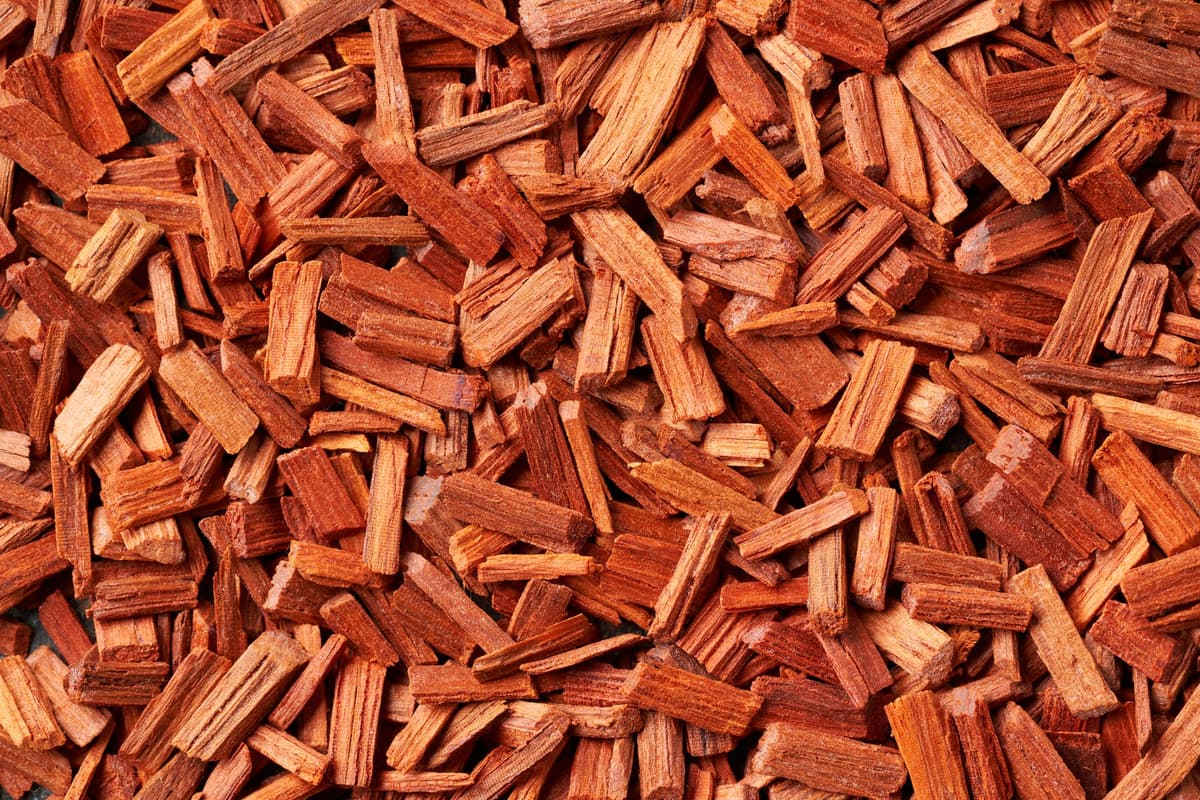
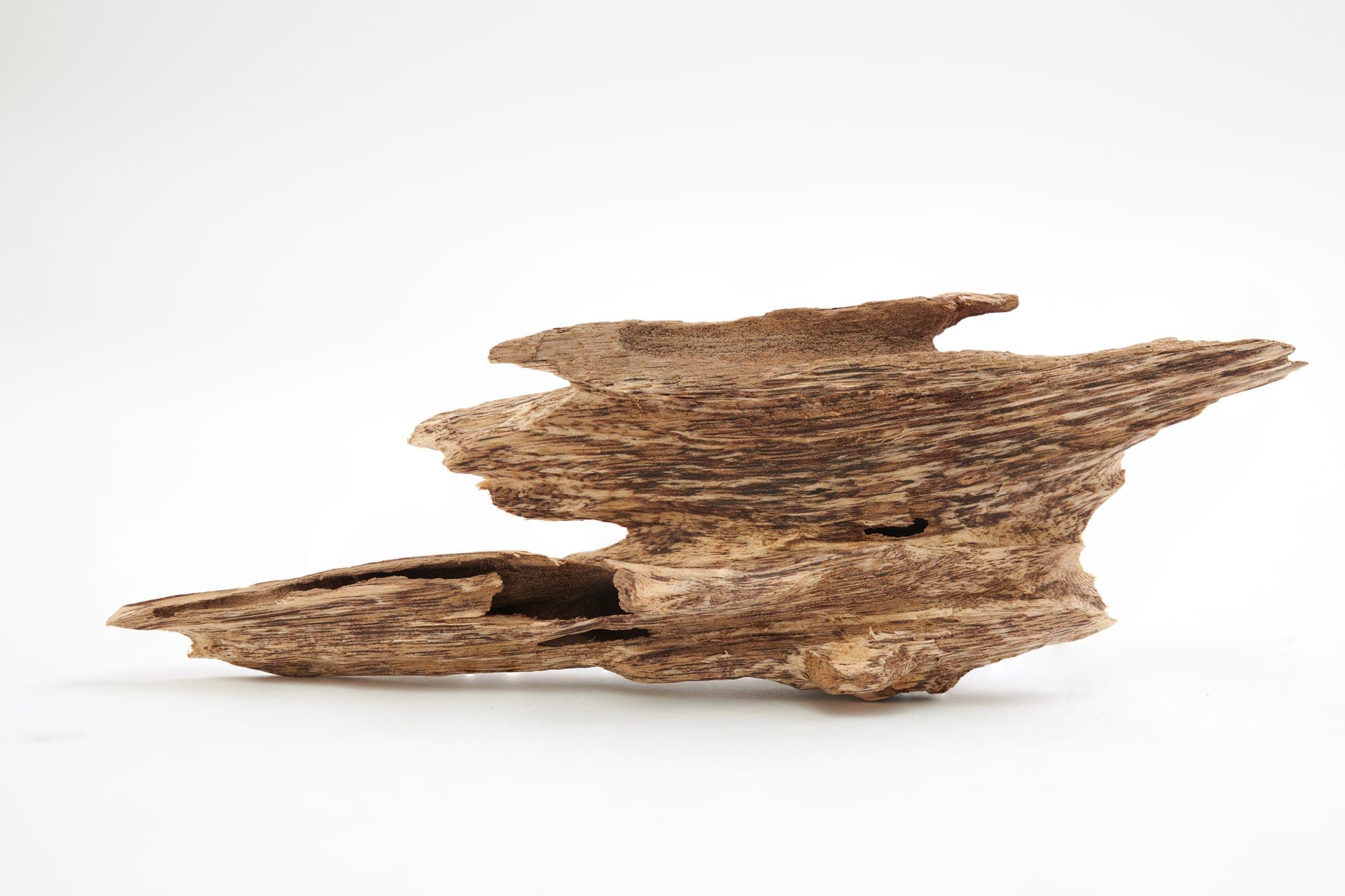
Oud comes from infected agarwood trees and smells rich, woody, slightly animalic, and deeply complex. Traditional oud attars can be extremely intense—too much for many Western noses. But modern perfumers have created wearable interpretations that capture oud's sophistication without the intensity.
Why Traditional Oud Overwhelms:
Pure Intensity: Traditional oud oils are undiluted and powerful:
- Single tiny drop can scent entire room for hours
- Projection reaches 10-15 feet easily
- Lasts 12-24+ hours on skin, days on clothing
- This intensity appropriate for Middle Eastern fragrance culture; overwhelming for Western contexts
Animalic Character: Oud contains animalic facets:
- Barnyard, leather, sweat-like notes (beautiful in balance, challenging in concentration)
- Requires acquired taste appreciating these "unclean" elements
- Initial reaction often negative before appreciation develops
Medicinal/Bandage Notes: Some oud has phenolic character:
- Reminiscent of antiseptic, medicine, Band-Aids
- Polarizing aspect many people can't move past
- Quality and preparation affect this characteristic
Cultural Unfamiliarity: Western noses lack reference:
- Middle Eastern culture has centuries of oud exposure—familiar, comforting
- Western perfumery traditionally avoided oud's challenging aspects
- Lack of context makes appreciating pure oud difficult
How Wearable Oud Addresses These Challenges:
Dilution: Using oud sparingly rather than as dominant note:
- Oud adds depth without overwhelming
- Supporting role rather than starring
- Intensity reduced to Western-appropriate levels
Balancing Notes: Pairing oud with familiar elements:
- Rose: Classic combination softening oud's intensity (Tom Ford Oud Wood)
- Saffron: Balancing exotic with exotic (Zoologist Tiger)
- Vanilla/Amber: Sweetness tempering animalic aspects
- Fresh Notes: Citrus or aromatics lightening overall impression
- Sandalwood: Familiar smooth wood contextualizing unfamiliar oud
These pairings create bridges from familiar to exotic.
Modern Oud Molecules: Synthetic oud alternatives:
- Cleaner, less challenging than natural oud
- Woody-resinous character without medicinal or barnyard aspects
- Consistent, reliable, sustainably produced
- Perfect for creating "oud impression" without intensity
Concentration Adjustment: EdPs rather than pure oils:
- Dilution in alcohol moderates impact
- Spraying distributes more evenly than pure oil application
- Western concentration levels (10-20%) vs. Middle Eastern oils (near 100%)
Result: Wearable oud captures mystery, sophistication, and depth of oud while being office-appropriate, Western-friendly, and accessible to oud beginners.
Best Wearable Oud Pairings

Wearable oud fragrances use oud as an accent rather than the star—pairing it with rose, saffron, amber, or woods to create balance. They smell sophisticated and exotic without being challenging. If you've tried oud and found it too much, these modern interpretations might change your mind.
Oud + Rose: Most famous oud pairing:
- Rose's sweetness and familiarity softens oud's intensity
- Creates Middle Eastern luxury character (both ingredients premium in Arab perfumery)
- Works beautifully across genders despite rose associations
- Examples: Tom Ford Oud Wood (has some rose), many oud-rose attars adapted for Western markets
Oud + Saffron: Exotic-exotic combination:
- Both ingredients luxurious, complex, slightly challenging
- Together create sophisticated, mysterious, expensive impression
- Warm, spicy, resinous depth
- Examples: Zoologist Tiger, many contemporary oud compositions
Oud + Leather: Dark, animalic sophistication:
- Amplifies oud's leathery facets
- Creates bold, confident, masculine-leaning character
- For people who WANT intensity but controlled
- Examples: Nasomatto Black Afgano, various niche leathers
Oud + Vanilla/Amber: Sweet balance:
- Sweetness counteracts oud's potential harshness
- Creates warm, comfortable, less intimidating oud experience
- Excellent for oud beginners
- Examples: many commercial oud fragrances use this approach
Oud + Aquatics: Unexpected modern pairing:
- Marine freshness with oud depth
- Creates interesting contrast: light and dark, fresh and rich
- Very contemporary, artistic interpretation
- Examples: Zoologist Squid (dark aquatic oud)
Oud + Woods: Woody sophistication:
- Oud with sandalwood, cedar, or vetiver
- Creates complex woody composition where oud adds exotic dimension
- Smooth and refined rather than challenging
- Examples: Tom Ford Oud Wood (oud + multiple woods), various niche woody orientals
Oud in Santa Cruz Context

Choose oud fragrances carefully for Santa Cruz. Avoid loud, projecting oud attars. Look for subtle, well-blended compositions where oud adds depth without dominating. These work beautifully as personal scents that reveal complexity up close.
Why Oud Is Tricky in Santa Cruz:
Scent-Conscious Culture: Local preference for subtlety:
- Traditional oud's projection conflicts with community norms
- Wearing intense oud to scent-sensitive spaces (yoga studios, holistic health centers) inappropriate
- Even moderate oud can trigger reactions from sensitive individuals
Cultural Context: Oud's Middle Eastern associations:
- Santa Cruz's diverse but primarily Western fragrance culture
- Lack of widespread familiarity with oud means people might not recognize sophistication—just "strong smell"
- Risk of being perceived as inconsiderate rather than sophisticated
Progressive Politics: Well-intentioned concerns:
- Some might perceive oud wearing as cultural appropriation (though fragrancecommunity generally disagrees)
- Sensitivity about borrowing from other cultures requires awareness
- Best approach: appreciate oud respectfully, learn cultural significance
Climate Considerations:
- Oud projects more in humidity (Santa Cruz fog)
- Warmth can amplify animalic aspects
- Testing in actual local conditions essential
How to Wear Oud Successfully in Santa Cruz:
Choose Wearable Compositions: Specifically seek Western-adapted oud:
- Tom Ford Oud Wood, By Kilian roses + oud, Diptyque Oud Palao
- These designed for Western contexts and sensibilities
- Sophisticated without overwhelming
Moderate Application: Less is more:
- Single spray instead of usual 2-3
- Apply to covered areas (chest under shirt) rather than exposed (neck, wrists)
- Let oud be discovered rather than announced
Context Appropriateness: Choose situations:
- Good: Evening dinners, dates, sophisticated social gatherings, personal wearing at home
- Risky: Workplaces, daytime casual settings, scent-sensitive venues, crowded indoor spaces
- Avoid: Yoga studios, healthcare settings, small meeting rooms, anywhere requesting fragrance-free
Test Extensively: Oud reactions unpredictable:
- What you smell on yourself differs from what others experience
- Ask trusted friends for honest feedback
- Monitor others' reactions (subtle wrinkled noses, distance-keeping)
- If people seem bothered, dial back intensity or skip oud for that context
Educational Approach: If someone comments/asks:
- Explain what oud is briefly (infected agarwood)
- Acknowledge it's unusual/intense
- Offer to tone down if bothering them
- Share cultural significance respectfully
Framing as educational interest rather than oblivious wearing helps.
Progression Path: From Oud-Curious to Oud-Confident

Developing oud appreciation requires systematic progression—jumping directly to intense traditional oud often creates negative experience preventing future exploration, while thoughtful graduated exposure builds genuine appreciation and sophisticated understanding.
STAGE 1: OUD-ADJACENT INTRODUCTION (Barely-There Oud):
Goal: Experience oud's woody-resinous character without challenging aspects
Fragrances for Stage 1:
- Tom Ford Oud Wood: Smooth sophisticated woody with oud accent—most people smell "woody" not "oud"
- By Kilian Sacred Wood: Sandalwood-heavy with minimal oud—familiar wood showcasing oud subtly
- Diptyque Oud Palao: Rose and oud balanced—rose dominates, oud adds depth in background
Stage 1 Characteristics:
- Oud comprises 5-15% of composition (supporting not starring)
- Balanced with highly familiar notes (rose, sandalwood, vanilla)
- Western concentration and projection levels
- Office-appropriate and universally accessible
What You Learn: Oud adds interesting depth and exoticism without being weird or challenging—builds positive association
STAGE 2: MODERATE OUD PRESENCE (Noticeable Oud):
Goal: Experience oud as recognizable element creating character
Fragrances for Stage 2:
- Zoologist Tiger: Oud with saffron and spices—oud clearly present but composed beautifully
- Montale Roses Musk: Rose-oud-musk—commercial-strength but quality oud
- Acqua di Parma Colonia Oud: Fresh cologne with oud twist—unexpected pairing making oud approachable
Stage 2 Characteristics:
- Oud comprises 20-30% of perceived composition (co-starring)
- Oud recognizable as "that exotic woody note" even to beginners
- Starts revealing oud's animalic/leathery facets in controlled way
- Still wearable daily but requires appropriate contexts
What You Learn: Oud has distinctive character—woody but MORE (slightly animalic, leathery, medicinal hints in background)—builds familiarity and appreciation
STAGE 3: OUD-FORWARD COMPOSITIONS (Oud Dominant):
Goal: Appreciate oud as primary material creating fragrance's identity
Fragrances for Stage 3:
- Nasomatto Black Afgano: Dark oud-resinous-cannabis—oud dominates creating smoky mysterious presence
- Zoologist Squid: Aquatic-oud unusual—oud very present in marine context (advanced composition)
- Initio Oud for Greatness: Oud-saffron-amber rich—oud as star with luxurious support
Stage 3 Characteristics:
- Oud is THE fragrance (50%+ of character)
- Animalic, resinous, woody, complex aspects all noticeable
- Intensity requires confident wearing and appropriate contexts
- Not office-daily for most—evening, special occasions, personal enjoyment
What You Learn: Oud's full complexity—why devotees love it, what makes it special, its range from smooth to challenging
STAGE 4: TRADITIONAL OUD APPRECIATION (Pure Oud Territory):
Goal: Appreciate traditional Middle Eastern oud attars and oils
Fragrances for Stage 4:
- Pure oud oils from various regions (Cambodian, Indian, Borneo—each distinct character)
- Traditional Middle Eastern attars (oud-dominant heavy oils)
- Aged oud (years/decades old—changing character over time)
Stage 4 Characteristics:
- Pure or near-pure oud (80-100% oud content)
- Intense projection and longevity (single drop = hours)
- Full expression of oud's challenging aspects (medicinal, barnyard, animalic)
- Requires cultural context and acquired taste
What You Learn: Traditional oud in its authentic form—understanding why Middle Eastern culture treasures it, experiencing full-intensity real oud
NOT EVERYONE NEEDS ALL STAGES:
Many People Stop at Stage 1-2:
- Perfectly valid enjoying "wearable oud" without progressing to traditional—you're appreciating oud in accessible form
- No requirement to force yourself toward intense oud if Stage 1-2 satisfies
- Oud appreciation isn't competition—enjoy at your comfort level
Some Jump Stages:
- Occasional person immediately loves intense oud (individual preference, chemistry, cultural background)
- No rule requiring linear progression—if you want to sample intense oud immediately, try it
SC-Appropriate Oud Level:
- Most SC wearers stay Stage 1-2 (wearable sophisticated oud)—aligns with local subtlety values
- Stage 3-4 reserved for: personal enjoyment at home, evening special occasions, educated oud-appreciating circles
- Wearing traditional oud to SC yoga class or tech office = tone-deaf (too intense for scent-conscious community)
TESTING PROGRESSION PRACTICALLY:
Budget Allocation for Oud Exploration:
- Stage 1 Testing: 2-3 wearable oud decants (3ml each, $25-35 each = $75-105 total)—discover if oud direction appeals
- If Stage 1 loved: Progress to Stage 2 with 2-3 moderate oud decants ($60-90)
- If Stage 2 loved: Consider Stage 3 bold compositions (1-2 decants testing, $40-60)
- Total exploration: $175-255 for comprehensive progression vs. blind-buying $300 Tom Ford Oud Wood bottle without knowing if you'll love oud
Time Investment:
- Each stage: 2-3 weeks wearing representative fragrances 5-10 times
- Total progression: 2-4 months for thorough evaluation
- Rushing stages risks negative experience preventing appreciation—patience crucial
Consulting Guidance:
- During scent profiling/consultation, we assess oud-readiness and introduce appropriately
- If you're woody-lover with adventurous palate → Stage 1 immediately
- If you're fresh-floral-lover cautious → might defer oud exploration until later
WHEN OUD ISN'T FOR YOU:
Valid to Not Love Oud:
- Some people systematically test through stages and consistently dislike oud—totally okay
- Oud is one material among thousands—not loving it doesn't limit fragrance enjoyment
- Many beautiful fragrances contain zero oud (citrus-fresh, green florals, tea-based, clean musks)
Recognizing It's Not Your Thing:
- Tested 5-6 wearable ouds (Stage 1-2) and disliked all → probably not oud-person
- Persistent negative reactions (headaches, nausea, immediate dislike) → trust your body
- No interest even after learning cultural significance → that's valid preference
Oud appreciation is journey, not requirement—enjoy at your pace and comfort level, never forcing yourself toward intensity that doesn't resonate personally.